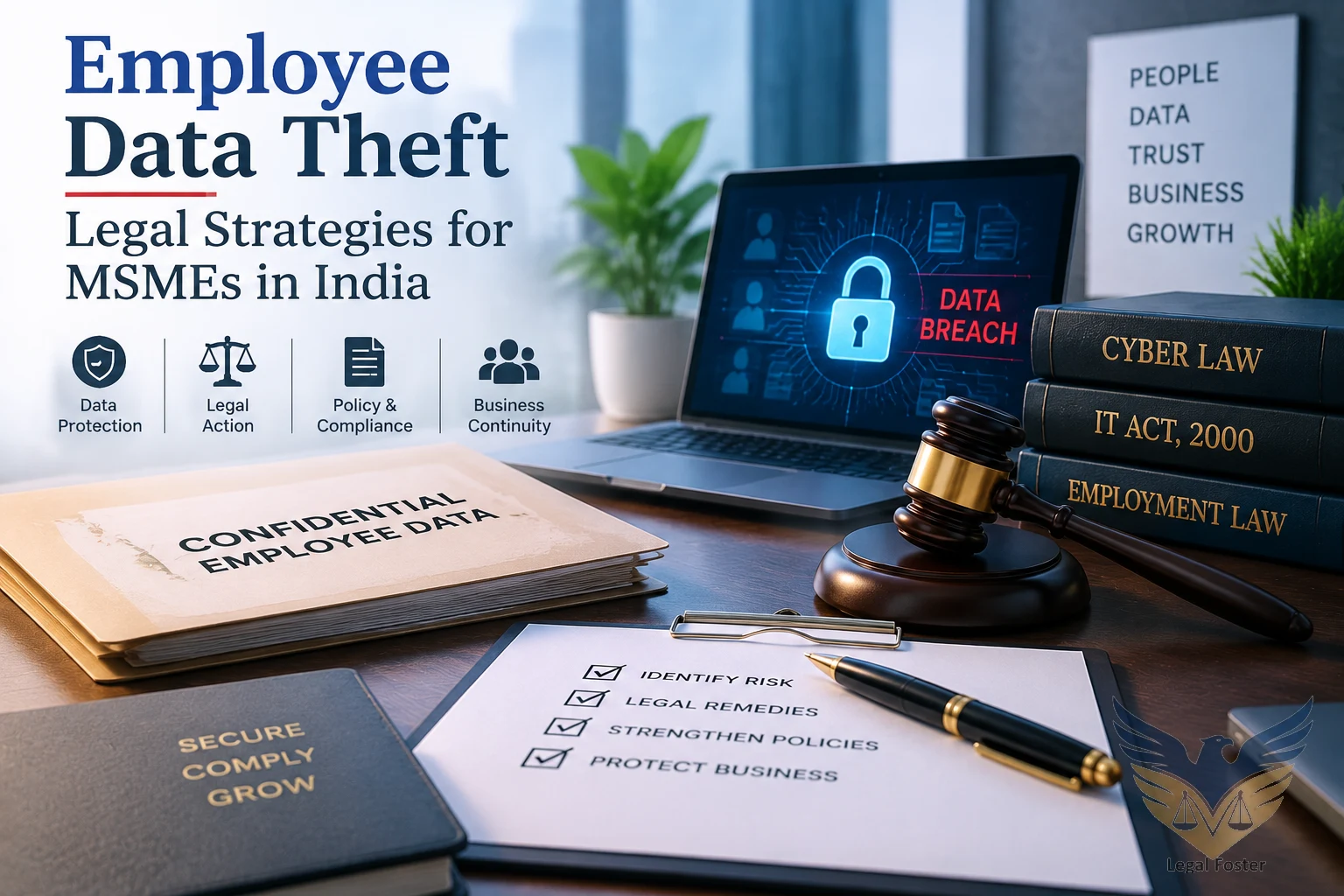
The run of the mill business expands while only a few employees know how daily operations work. Client lists and pricing. Supplier and vendor information. Internal processes and quality assurance. Credentials to business applications. Personnel salary information and payroll.
Yet, in most situations, this knowledge is limited to only employees you trust. Until you realize an employee has left your employ with sensitive company information. What started as an employee exit disagreement can escalate into a much bigger issue for your company.
We’ve seen clients come in after they’ve already realized something has happened. They one day discover the evidence. An ex-employee is reaching out to customers or clients. Your competitor is selling to your current customers with a suspiciously similar product or service.
Sensitive documents have appeared in unauthorized hands. Now the business owner is questioning how it happened. Was the acquisition of that information legal? How do we know? What can I do to stop this from happening to my company?
Our attorneys deal with employee data theft on a regular basis and focus on the evidence to explain your legal options in plain language. What are your contract rights? How to protect electronic evidence? What confidentiality agreements should be reviewed? What legal recourse do you have based on the evidence you have? File a lawsuit? Enforce your contracts? Call in the police to investigate? Seek an injunction? Or maybe a blend of legal enforcement and voluntary compliance for the future.
As businesses throughout India have come to rely heavily on electronic information. Customer databases. Company records. Intellectual property. Computer programs. Employee handbooks. The list continues., that information has become a prized asset of any business.
A common misconception some employers have is that if an employee generated information during their employment or simply had access to company information, then the employer owns an endless license to that information. The law first asks a few preliminary questions. Who has ownership of the information? Were there any agreements signed? Who was given access to the information? What company policies were in place? Was the information stolen? Or used for an improper purpose?
BK Singh Advocate from Corporate Law Firm knows how upsetting confidential disputes with employees can be and the business concerns you face in keeping your company protected. We evaluate your MSME’s legal exposure, documentation, and options beforehand.
Why Does Employee Data Theft Become a Serious Concern for MSMEs in 2026?
Employee theft of company data is becoming more and more common as businesses store the information their companies run on digitally. A disgruntled employee with access to the cloud, customer database, email, or a company’s computer systems can upload gigabytes or even terabytes of information to their personal accounts in a matter of hours.
What happens if that employee decided to use or sell that information to hurt your business? Revenue: Your customers could be taken. Competitive edge: Your competitors could benefit from stolen pricing sheets. Future plans: Growth plans could be compromised.
These are just a few examples of how your company can be affected by employee data theft. The worst part is that this is often much harder for MSMEs to contain than it is for larger companies. MSMEs often operate with smaller teams and place more trust in their employees, as they lack the manpower to restrict access to sensitive information with formalized access controls. When that trust is broken, and it will be broken when someone no longer works at your company, you could be left vulnerable.
Startups and small businesses operate alongside each other in metro cities like Delhi, Noida, Gurugram, Mumbai, Bengaluru and all over India fighting for the same technology, service, manufacturing, and consulting contracts. Sometimes, all that stands between you and your competition is who has your client’s sensitive information.
If there’s a legal battle over your customer’s information being sold or used by a former employee, your reputation is on the line. How did your customer’s information get in someone else’s possession? Your partners will want to know. So will your teams. BK Singh Advocate has explained to many of our clients that it can be difficult to prove theft months after you first realize your former employee has stolen your data. Emails can be deleted. Computer sign-ons can be wiped away or manipulated. And former employees no longer working in your office are much easier to accuse than those who just left yesterday.
Quick Facts About Employee Data Theft and MSME Legal Protection
- Trade secrets include customer lists, pricing data, contracts, etc. Unique processes of the company.
- Employment contract and NDA's signed can impact legal options.
- Electronic evidence can turn into a crime of misappropriation.
- Information Technology Act, 2000 can become involved with some electronic database misappropriations.
- Contract law only applies per the wording of the employee contract.
- Civil and Criminal recourse available is dependent on the facts and evidence.
- Each case must be viewed independently.
What Does Employee Data Theft Mean Under Indian Business Law?
Employee theft of data can refer to any unauthorized reproduction, movement, disclosure, or utilization of your company’s confidential information by your employees or former employees.
Just because your employer and employee conflict over information related to the company, it does not always mean that there is a legal wrongdoing. What information was used, the role of the employee, their access to the information, and their reason for the action are just some of the things to keep in mind.
If an employee in sales made a list of your customers and took it with them to work for a competitor, that is a different concern than an employee that is just taking the knowledge they gained from working at your company with them when they leave.
Examples of confidential business information:
- Customer lists and contact data
- Supplier agreements and trade conditions
- Sales prices
- Business plans
- Software passwords
- Internal documents
- Secret product information
MSMEs should know the difference between general know-how and skills that will be protected by law as confidential. An employee is able to use information that they learned from their experiences, however they may be breaking the law if they are misusing your company’s confidential information.
Corporate Law Firm can help you determine if your business is experiencing an actual confidential issue or if it is just part of an employee moving on.
Which Laws Apply When an Employee Misuses MSME Data?
Employment law issue can be made out and different laws would need to be looked into based on facts.
Employment Agreement & Confidentiality
Terms of Employment or Terms of Service agreement normally have confidentiality clause, non disclosure undertaking, restrictions on company information related data. Whether such clauses would be enforceable would depend on how the clause has been drafted and upon facts.
If you have a well drafted agreement, you can establish the fact that such information was given to him in confidence and he was not supposed to use such information for any unauthorized purposes.
Information Technology Act, 2000
If any computer system has been used by the employee or there has been unauthorized access to digital information, electronic record or computer resources then certain provisions of Information Technology Act, 2000 would also need to be examined.
Electronic evidence such records of access, Emails, information available on server and system or device used by such employee would be needed to be produced for legal analysis to be done.
Contract Law
Such non-compliance with undertaking which he gave to the employer would also result into a contractual dispute. Employer would be able to analyze whether employee violated his written agreement which would have information related to confidentiality, company assets or information etc.
Criminal Law
If any dishonest access or breach, unauthorized copying of information has been done by employee then certain provisions of criminal law would need to be examined. You would need to take advice whether a criminal complaint needs to be filed based on evidence available and facts.
What Documents Should MSMEs Preserve After Suspecting Data Theft?
Preservation of Evidence. One of the first things to consider will be preservation of evidence. This will probably be one of, if not the most important issue in an employee data dispute. Ideally, the company has already documented evidence of ownership, access, expectation of confidentiality and exposure to misuse.
Examples of Evidence:
Employment related:
- Offer letter
- Employment agreement
- Non-disclosure agreements
- Employee handbook rules
- Data access agreements
Electronic:
- Login/entry information
- Access logs
- Cloud storage
- System audit logs
- Electronic devices
Business:
- Customer complaints
- Lost business
- Correspondence with affected customers
- Proof of disclosure to 3rd parties
Internal Company:
- Documentation of ownership
- Rules of classification
- Employee job responsibilities
- Access policies
The better documentation you have, the better chance your attorney can assess the situation and determine what legal remedies may be available to you. Without any evidence, it may be difficult to prove your case even if the allegation is true.
When Should an MSME Consult a Lawyer for Employee Data Theft Issues?
When Should an MSME Speak with an Attorney About Confidentiality?
Don’t wait until it’s too late. Although it’s never too early or too late to consult with an attorney, most business owners wait until the “elephant in the room” is big and hard to ignore. If a customer just took their business across the street, a competitor (or former employee) is at your door (or yours at theirs) talking about your “inside information”, or confidential files from your office are appearing at your competitors; it’s time to consult with an attorney.
The earlier you consult with an attorney, the sooner you will know if you have an enforceable contract, a confidentiality issue, cyber issue, employment issue, or any other commercial concern.
Here are just a few scenarios where consulting with an attorney is warranted:
- Employee walks off with customer list
- Employee downloads confidential company files to personal laptop
- Former employee uses knowledge gained at your company to solicit your clients
- Competitor has your pricing/proposals/business plans
- Former employee is utilizing your passwords/computer login information
- Disclosure of confidential information to third parties
- etc.
You may think you have a clue what went on, but until all the evidence is reviewed you will never know what FACTS can be proven. An attorney can review what information you have and lay out your options without guaranteeing you the world.
BK Singh Advocate works with business owners to evaluate their options when issues arise with employees, breaches of confidentiality and how to protect your business. Taking the time to evaluate your situation early can prevent costly mistakes.
How Can MSMEs Prevent Employee Data Theft Before It Happens?
The best way to handle confidential information is by preventing the breach from happening in the first place. Once private data has left your company, it’s nearly impossible to control. MSMEs can create systems that define who has access to what information and what they’re responsible for when handling confidential information.
Here are four tips to help you get started:
Employment Terms:
A written contract that details what information is considered company property and limits data access to what each employee needs to know to do their job is perfect. You should also revisit your company data system every once in a while to make sure everything is running as it should.
Employee Handbook:
Employee handbooks and agreements allow you to clearly define each employee’s role with company information. It may be beneficial to include a clause about confidentiality. Clearly state what you expect from your employees when it comes to business documents and private data.
Access Limited Data:
Restrict employee access to private data. If they don’t need to know something to complete their daily tasks, they shouldn’t be able to access it. Many businesses are vulnerable to information leaks because too many people have access to customer data and financial records. Limit access to those who absolutely need it.
Exit Documentation:
Write a clause about the return of company property (ie. laptop), company data clearance (loging into accounts, etc.) and confidential information when writing up an employee exit form.
Some businesses skip employee exit details; they don’t want to gross the employee out. It’s nice to wish your former employee luck but don’t leave your business unprotected.
Corporate Law Firm suggests trying to meet halfway. Make sure your business is covered, but don’t be unfair to your employees.
What Legal Remedies Are Available to MSMEs Facing Data Theft?
Remedy would depend upon facts and circumstances of each case. There is no ONE SOLUTION fits all kinds of employee data related issues.
CONTRACTUAL REMEDIES
Employer can think about contractual remedies if Employee has violated confidentiality terms mentioned in appointment letter/service agreement etc.
Terms of Contract, Nature of Information and Action/activity would also be taken into account.
CIVIL LAWSUIT
Civil remedy could be an option if confidential information has been utilized to damage business interests and caused monetary loss. Relief would depend upon facts/proofs and discretion of court.
CRIMINAL COMPLAINT EVALUATION
If concerned facts indicate unauthorized access, fraud activity or illegal use of electronic records etc. then Criminal law remedies could be explored.
Such criminal complaint can be filed only when it is supported by valid facts and evidences. False or Exaggerated claims can create more trouble.
DISCUSSION AND BUSINESS SOLUTION
Sometimes parties can also settle things by mutual discussion. Business/practical solution would depend upon interest of business at risk, facts/causes available and willingness of parties to cooperate.
BK Singh Advocate would analyze every fact before suggesting appropriate legal course of action. We aim to protect your business.
What Mistakes Should MSMEs Avoid During Employee Data Disputes?
Owners naturally will be upset when they first find out about possible information theft. Completely understandable. But some of these reactions can get you into even deeper trouble.
Online accusations or telling your customers
Taking your story to social media by accusing a former employee of wrongdoing or informing your customers of the issue can open you up to defamation and other lawsuits if you cannot substantiate your claims.
Deleting files
Destroying any electronic information by deleting files, changing formats, destroying databases, or otherwise making the information unrecoverable can prevent you from having that information used against the thief during a forensic analysis.
“No contracts” business
Some small business owners believe that running their business on a “gentleman’s agreement” is enough. While we always recommend having written policies and employment agreements, if you don’t then any policies and agreements you do have will be very important if there is any dispute.
Taking matters into your own hands
Threatening former employees or hacking into their personal accounts to scare them is never okay, and is also illegal.
At Corporate Law Firm, we understand that business litigation can be an emotional process. However, it’s important to make sure that every decision you make is based on fact, not emotion. Give us a call to find out what you can and can’t do from a legal perspective.
How Does Corporate Law Firm Help MSMEs Facing Employee Data Theft?
Corporate Law Firm provides legal services MSMEs for employee confidentiality matters, commercial disputes, business protection, employment disputes and more.
BK Singh Advocate can help you assess your employment contracts, evidence you have, impact on your business and your legal alternatives.
We provide you advice catered to your business. It starts with a realistic legal assessment.
Every Business is unique.
An Employee who misappropriates trade secrets from a factory in Noida may not pose a threat to your tech startup in Bengaluru. Your IT business in Gurugram may not have the same business protection issues as a trading concern in Mumbai.
BK Singh Advocate can help MSMEs understand
- Whether confidential information has been used unfairly
- What information to preserve
- Which law would be applicable and what legal forum or remedy would be appropriate
- How to protect your business
Need help with confidentiality agreements, employee agreements and proactive corporate compliance? Contact Corporate Law Firm.
Frequently Asked Questions
1. What is employee data theft in MSME?
An employee data theft in MSME is when an employee or an ex-employee copies, shares, transfers or misuses your private information without authorization.
2. Can I file a criminal case against an employee who steals my company data?
Yes. An MSME can take legal action against his employee for stealing his data depending on a variety of factors such as evidence, employment agreement, nature of information and mode of use.
3. Is customer database considered confidential information?
A customer database is considered confidential information under certain circumstances. The owner of the database, effort to preserve its confidentiality, employee agreements and business practices are few considerations.
4. Can my ex-employee use my company information when he leaves my company?
Yes. Your former employee using your confidential information is not advisable as it may lead to legal action being taken against him if the true owner of the information can establish that he never gave consent to use the information and took steps to preserve its confidentiality.
5. What kind of evidence do I need to prove that my employee is misusing my data?
Email copy, login credentials, device information, employment agreements, server logs and call detail records are some examples of evidence that could be used to prove your claim.
6. Do I need to file a police complaint against my employee?
You may or may not file a criminal complaint against your employee depending on the facts of your case and evidence available to you. Consult a lawyer to know if your case amounts to a criminal offense.
7. How can MSMEs stop their information from leaking?
NSMEs can stop their information from being leaked by using non-disclosure agreements, limiting information access, having policies in place or through employee exit interviews.
8. Does Indian law have any provision to protect my businesses confidential information?
Your confidential information can be protected by Indian law depending on your agreement, the facts, various laws and information type.
9. Can BK Singh help me if my employee is stealing my information?
Yes. BK Singh is a lawyer who can help you with your cases regarding corporate disputes, information confidentiality and MSME issues.
10. Why do I need to contact a lawyer if my employee steals my data?
Contacting a lawyer will help you understand your options, not destroy any evidence and prevent you from doing anything that could get you into more trouble later.
Final Thoughts
Employee theft of company data can impact your MSME financially, operationally and commercially. Years of business hard work, customer trust and internal organization go into creating proprietary data.
It's good to have a legal plan in place so you know your rights, how to protect evidence and how you can legally react. You don't want to act too hastily and create a whole other problem.
BK Singh Advocates & Corporate Law Firm can help MSME's navigate employee privacy matters, business information concerns and corporate liability issues across India.
Reach out to Advocate BK Singh today if you believe your employee is stealing or otherwise misusing company data. We will assess your unique case and go over your options.