Doing business means entering into financial agreements. Any dispute pertaining to repayment terms, interest calculations, security documents, loan restructuring and recovery can turn out to be very stressful for businesses. Getting into a dispute against a bank, NBFC, private lender, financial institution or funding platform can harm your business’s cash flow, reputation and future opportunities.
Loan and finance agreement dispute refers to a legal or commercial issue between a company and its lender over the interpretation, performance, enforcement or breach of loan finance documents between the parties. It can relate to anything from issues regarding defaulting on repayment terms, disagreement of contractual terms, enforcement of securities/documents, unfair recovery practice etcetera.
It is quite common that business owners delay taking legal action on disputes because they expect that things will sort themselves out. However, if you review the documents at an early stage of your loan agreement, repayment transactions and any communication and conduct of your lender, a business can understand their rights quickly.
If you have grown your business in Delhi NCR, Mumbai, Bengaluru, Hyderabad, Chennai, Kolkata, Pune, Ahmedabad or any other business city in India, you have most likely negotiated complex financial structures. You may think that you just have an overpayment issue. But it can quickly become a matter of rights under your contracts, Rights under various banking laws, and arbitration clauses or arbitration proceedings in front of relevant forums.
BK Singh Advocate helps Businesses deal with corporate loan disputes. We focus on understanding your rights under the specific facts of your documents. You also have the opportunity of negotiation. Furthermore, we assess how compliant both parties are with their contractual obligations and the law. Finally, we analyze the legal remedies available to you. Every case is different and has different facts. The potential outcome would depend on your agreements, facts and actions taken by you till date.
The right legal approach can help you tackle the immediate pressure from recovery. You can also fight the dispute in a way that it does not harm your long-term business interests.
Why Do Loan and Finance Agreement Disputes Matter for Companies in 2026?
Loan has been raised by entities from all industries, whether it’s manufacturing, services, startups, trading businesses, MSMEs. As borrowings have increased, loan agreement disputes, working capital disputes, term loan disputes, business loan disputes, financial restructuring disputes have increased as well.
Blocking of account, recovery notices, taking initiation to enforce secured assets, halting of operations of business or refusal of further credit are few of the many issues which a business with a finance dispute would be looking at.
Not only does a loan dispute impact cash, vendor deals, employee morale, investor discussions and business continuity are few other areas which can be impacted due to a loan dispute.
Documentation to be kept ready –
- Make a note of all the terms mentioned out in loan agreements, sanction letters.
- Note the repayment terms and default clauses.
- Keep ready the security documents, guarantees.
- Any correspondence with the lenders.
- Any notices received from banks or financial institutions.
BK Singh Advocate will go through your issues from a legal perspective and assess options that can be exercised based on the facts of your case.
Quick Facts About Corporate Loan and Finance Disputes
- Loan conflicts may arise due to non-payment or due to a disagreement related to interpretation or enforcement of the contract.
- Loan agreements, sanction letters and security agreements are some examples of critical documents.
- There may be legal remedies available for banks and lenders to help them recover their dues.
- The Company also has legal recourse against any unauthorized contractual misconduct.
- Loan resolution may depend on the lender's policies, your financial capacity and negotiation.
- Secured loans vs. Unsecured loans have a different legal standpoint.
- Get a legal review from an expert to help you identify possible pitfalls before getting into a conflict.
What Are Loan and Finance Agreement Disputes?
Loan and finance agreement dispute arises when a company and the lender have a disagreement regarding their duties under a financing agreement. Difference of opinion between company and lender regarding repayment of dues, interest and/or late payment fees charged by lender, allegations of default made by lender, security provided for loan, third party guarantees and/ or enforcement of any of the above items can result in loan or finance agreement dispute.
For instance, there may be a delay in clearing of dues by the company. This could be due to any number of reasons like downturn in profits, delayed receivables from customers or any unforeseen financial obligation. On other hand, the lender could initiate a recovery action by making allegations that the borrowing company has defaulted in its repayments under the loan agreement.
Resolution of loan and finance agreement disputes depends on various factors including nature of loan taken, terms of loan agreement, whether loan is secured or unsecured, existence of any arbitration / litigation clause in loan agreement and action already taken by lender.
BK Singh Advocate helps clients understand their rights under the law when disputes arise out of loan or finance agreements. He reviews loan agreement, notices received and any other relevant documents before advising the clients on the appropriate course of action.
Which Legal Issues Commonly Arise Between Companies and Lenders?
Cause of disputes varies from company to company depending on its borrowing pattern. Loan repayment problem is not always a clear cut non-payment problem. There are many disputes which deal with interpretation of contract, acts of lender, issues related to security interest and misunderstanding between lender and borrower.
Some common issues are :
Repayment & default related disputes When a company is facing short term liquidity problems. Or the company wants to dispute the lenders demand. Issues relating to Interest calculations, additional charges, repayment terms and conditions and account statements are commonly reviewed.
Contractual disputes: When a company as well as lender have a different understanding on contract clauses. It includes issues under financial covenants, conditions for security and guarantee and conditions for repayment. Such matters are usually reviewed from legal point of view.
Recovery & enforcement related issues: When lender initiates recovery action against the company or its guarantor. The procedure and law differs according to the security provided by the borrower.
Loan restructuring/settlement discussions: Many businesses facing temporary difficulties tend to settle or restructure their loan. Such settlements are subject to thorough analysis as such compromise would affect your future credit worthiness, liabilities of the business and any future decision.
BK Singh Advocate reviews such issues by analyzing loan agreements, correspondence with lender, account books and facts.
Which Laws Govern Corporate Loan and Finance Agreement Disputes in India?
Corporate finance related disputes in India may see the interplay of various laws such as contract laws, banking laws, recovery laws, arbitration laws, etc. based on the facts of each case.
The laws that may be involved include ( but not limited to) the following:
Indian Contract Act, 1872
Loan agreements are contracts between the parties. The rights and obligations of the company and the lenders are scrutinized from a contractual standpoint i.e. issues relating to breach, performance of obligations under the contract and enforceability of various clauses are looked into.
Recovery of Debts and Bankruptcy Act, 1993
Banks and financial institutions can initiate recovery proceedings before the Debt Recovery Tribunal ("DRT") for recovery of qualifying debts. If a company is asked to defend a recovery proceeding then it is crucial that the company understands its rights and defenses available to it.
SARFAESI Act, 2002
In cases where the assets are secured, banks and financial institutions can initiate action under Securitisation and Reconstruction of Financial Assets and Enforcement of Security Interest Act, 2002 ("SARFAESI Act") against the borrowers, provided they comply with conditions set out in SARFAESI Act.
Insolvency and Bankruptcy Code, 2016
In certain circumstances, financial creditors can initiate Corporate Insolvency Resolution Process against corporate borrowers by making an application to National Company Law Tribunal ("NCLT") provided certain conditions are complied with.
Arbitration and Conciliation Act, 1996
Most finance agreements contain an arbitration clause. If the parties agree, disputes can be referred to arbitration.
The above laws forums would depend on the structure of loan, parties involved in the dispute, the documents executed between the parties and the nature of proceedings (if any) already initiated.
BK Singh Advocate can assist the companies in determining the right forum to seek legal remedy. Whether the matter is settled through negotiations; referred to arbitration; defended in DRT proceedings; defended in NCLT proceedings or if any other remedy is available.
What Documents Are Required to Handle a Finance Agreement Dispute?
Often paper work speaks volumes and can make or break a company’s claim. It is always better to sort your relevant documents even before a legal proceeding is initiated.
Following are the documents that you should have:
- Loan sanction and loan agreement
- Facility document/Security agreements
- Mortgage/ hypothecation/ Guarantee documents
- Statements of account/repayment
- Correspondence (email/letters/notice) with lenders
- Financial restructuring/settlement proposals
- Board resolutions /Authorised Signatory
- Received notices in the past /court proceedings, if any.
Documents speaks for itself. Once you have compiled all the relevant documents they are analysed.
- What does the contract clearly states we ARE required to do?
- Did we NOT comply with those terms?
- What legal remedies does the company have?
Businesses only approach an Advocate when they receive a recovery notice or are asked to appear in Court. It is often beneficial to analyse the position when the dispute is in its nascent stage.
BK Singh Advocate goes through your finance related corporate documents. We understand the facts, ensure legality and advise you on the practical way to deal with a dispute.
How Can Companies Protect Their Rights During Loan Disputes?
When it comes to finance/loans disputes, it is important to take a step back and review your contractual position instead of reacting to recovery actions. Business decisions made during stressful times can have far reaching consequences. This is especially important where assets are involved and/or personal guarantees are provided or when it comes to your future borrowing capacity.
Understanding your legal rights when it comes to Finance/Loan disputes
The typical legal process involves reading your loan agreement, understanding facts in dispute, preserve evidence of all communications and understand various remedies available to you from a legal perspective.
Don’t ignore communication from your lender or procrastinate responding to them. The lender may ask you to respond to certain communications within a specified time frame. It is important to understand your legal position at the earliest to decide how you would like to respond to the lender.
BK Singh Advocate assists clients in understanding the documents received from the lender related to disputes. We help you understand the various potential remedies that you may have. Your options would largely depend on the facts and circumstances leading to the dispute, agreements entered into and proceedings initiated by you / lender.
Here are some things you can do if your business is facing a loan/ finance dispute.
Read the Agreement:
Loan agreements generally have numerous clauses related to repayment obligations, events of default, security interest and pledge created, jurisdiction/ arbitration etc. It is important to first understand the agreement and whether the lender is actually following the terms provided in the agreement or is violating the contract.
Keep records:
Ensure that you always keep a record of the payments made, account statements received, emails exchanged or discussions held for any settlement amounts. This may come in handy if you have to negotiate with your lender or go to court for litigation.
Don’t Ignore Notices:
Your lender would typically start the recovery process by sending notices. If you have received a legal notice or any document from Court / Tribunal (DRT/ NCLT), it is important to first understand the notice and the facts involved before responding. Do not ignore the notice in hope that it would just go away.
Attempt to settle the dispute:
Depending on your particular situation, you may want to try negotiating or discuss the terms for a loan restructuring. You could possibly offer a settlement to your lender. If your loan agreement has an arbitration clause, you may refer the dispute to arbitration.
Talk to your lawyer about the remedies available to you under various laws.
Don’t make broad assumptions:
Every dispute is different. What may work for one business may not apply to other. Every lender is different and so is their approach, depending on their financial standing, how the security was structured, terms of the agreement and the action taken by the lender.
When Should a Company Consult a Lawyer for Finance Disputes?
When a financing or credit related dispute begins to affect your business,operations,fundraising plans or finances, you know it’s time to speak to a lawyer.
Common situations where one can consult a lawyer include:
- You have received a loan recovery notice from bank / finance company.
- You have received a legal notice for non-payment of dues / dispute on interest calculation.
- You have received any notice regarding enforcement of security.
- You are considering paying off your loan or negotiating with your lender for a restructuring.
- You are already in arbitration / DRT / NCLT / some other litigation.
- You wish your lawyer to review the financing documents before you sign them.
Many businesses wait until the very last minute to contact us. While there can be several reasons to consult a lawyer at the last minute, one advantage of having your matter evaluated by an attorney earlier is that you may be able to help your business see the potential problems.
BK Singh Advocate provides business legal advice to businesses affected by problems with loan agreements, credit disputes and lender issues.
Ultimately, the goal of consulting with a lawyer is not to find problems, but to ensure you know your rights, responsibilities and alternatives.
How Can BK Singh Advocate Help Companies Resolve Finance Agreement Issues?
Commercial Finance disputes involve a precise mix of legal skills, commercial acumen and sensitive documentation. BK Singh Advocate helps businesses with review of loan documentation, analysis of rights & obligations under the finance document and aid clients in deciding the right Dispute Resolution Mechanism.
This would also include advisory during review of financing agreement, scrutiny of recovery notices, advice during negotiation meetings and representing the businesses in the right forum when needed.
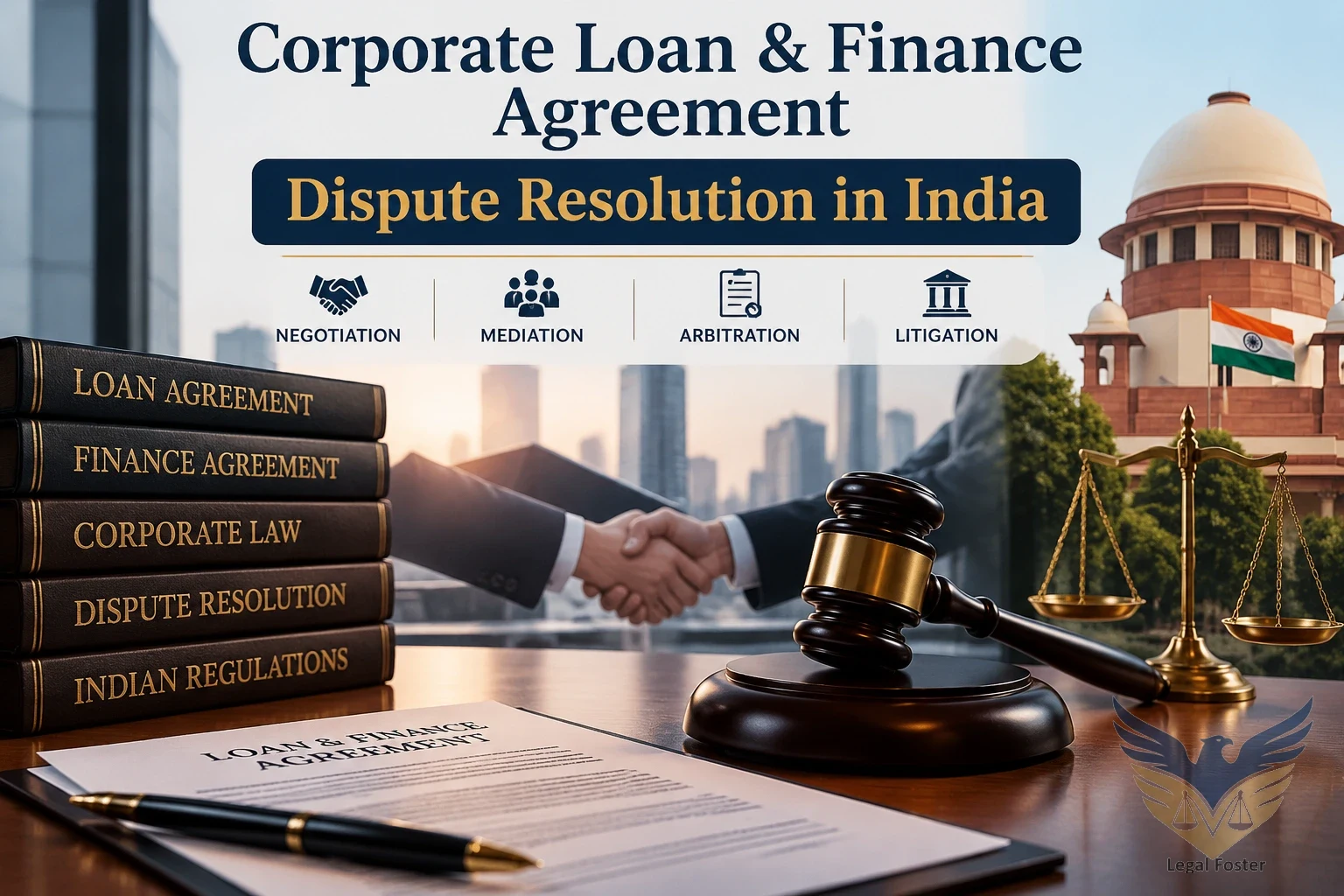
If a company has a dispute with lender, then it needs expert advice as to whether the dispute can be settled by negotiation, arbitration or litigated in courts or via Specialized forums.
BK Singh Advocate provides legal advice to businesses throughout India for pragmatic approach to deal with disputes. We are based out of Delhi NCR and serve Delhi, Noida, Gurugram, Mumbai, Bengaluru, Hyderabad, Chennai and other business centers in India.
Every Finance dispute is unique. The tactics to be employed would vary depending on the facts of the deal, available evidence, financial position of the parties and what has been done so far.
Frequently Asked Questions
1. Can a Company challenge clauses in loan agreement?
Yes. Parties to an agreement can review its clauses to see if they are enforceable or can be interpreted any other way than what they agreed to. The remedy would vary depending on the agreement, applicable law and facts.
2. What should a company do when it receives a loan recovery notice?
Read the notice carefully, ensure if the amount claimed is right, collect all the related documents and consult a lawyer before proceeding any further.
3. Can loan disputes be resolved?
Parties can explore the option of entering into a settlement negotiation if there is a scope for the parties reaching a common ground. Policy of the lender, their financial standing and what both parties agree to would play a role.
4. Can Banks initiate legal proceedings against Company for loans?
Banks/financial institutions have various recourses available to them to recover their dues. The process would depend on what type of loan was provided, if any security was offered and what law applies to the agreement.
5. What documents would help in Corporate loan/dispute?
Loan agreement, sanction letter, account repayments, bank statements, correspondence, securities offered and legal notices are some of the documents that might be needed.
6. Can we seek Arbitration for disputes in loan agreements?
If the finance agreement contains an arbitration clause and the dispute concerns the subject matter in the clause, parties can seek arbitration.
7. Can Company approach DRT against recovery notices/legal suits?
That would depend on what kind of proceedings are mentioned in the notice and what law applies to the agreement. Companies would have certain recourses available to them to approach before the appropriate forum. This would be advised based on the facts.
8. Can companies have their loan agreement reviewed?
Yes. Companies can get their agreements reviewed before signing them so they understand their responsibilities, risk clauses, securities needed and how any disputes would be handled.
9. Can companies consult a Lawyer while negotiating with bank for loan restructuring?
Yes. Companies can consult a lawyer when a bank contacts them to restructure their loan. A lawyer would help you review the terms being offered by the bank and let you know your contract obligations.
10. How long does it take to settle a finance agreement dispute?
It would differ depending on the dispute, where you file your case, what documents you have and how willing the parties are to cooperate.
Final Thoughts
Business finance and loan agreement disputes can be very stressful. With proper legal review and timely action your business can figure out its best options. Reviewing your contracts, maintaining records and getting professional advice early are all parts of resolving financial disputes.
BK Singh Advocate can assist you with corporate finance dispute consultation. We provide contract reviews, negotiation help and representation depending on your needs. Every case is unique so assess your situation. The rights, remedies and potential outcome will differ on the facts of each case.