Supreme Court | NEET-UG 2026
Six NEET candidates approach Supreme Court over alleged OMR answer-sheet discrepancies
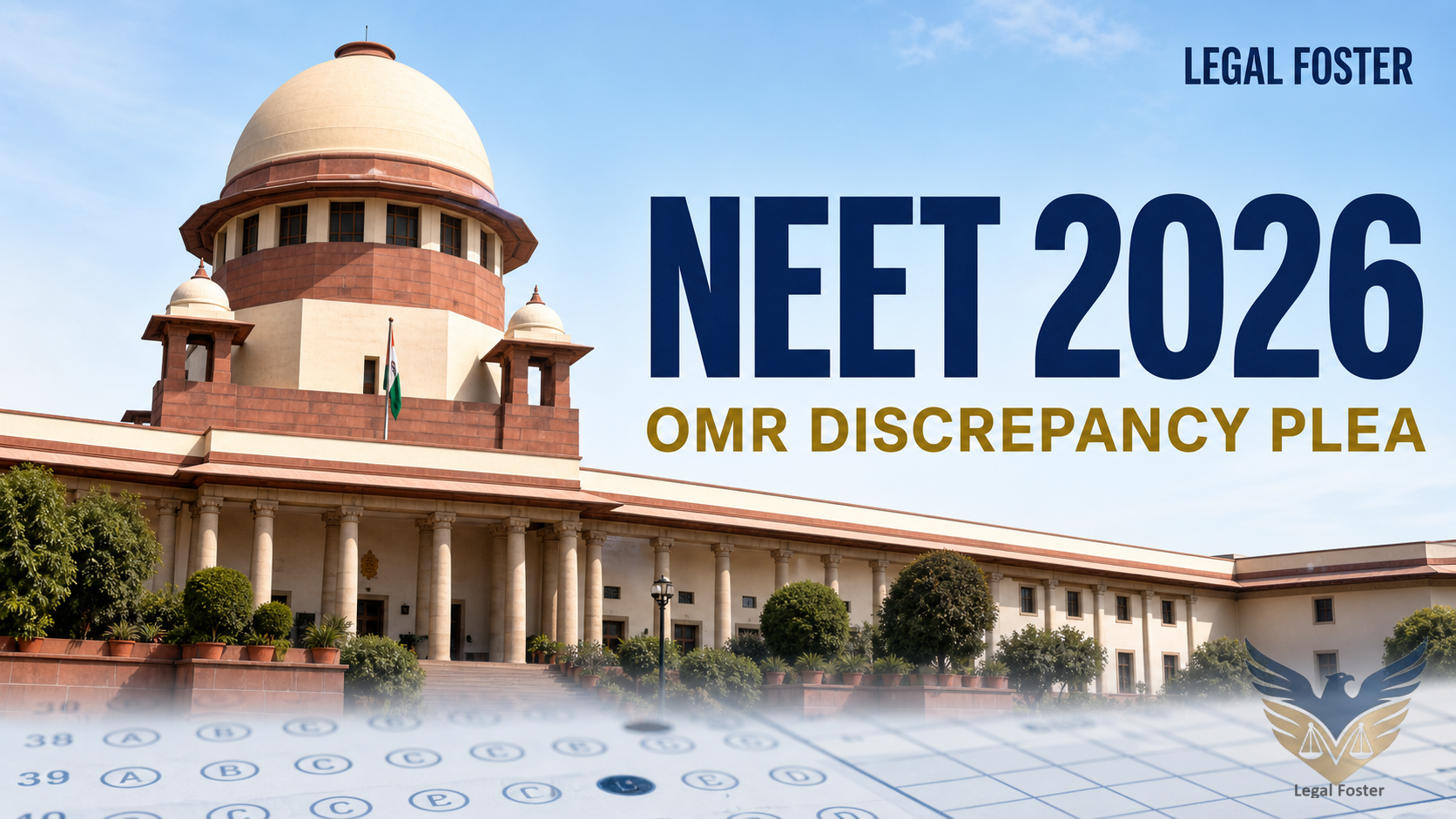
The students say the responses shown in OMR sheets uploaded by the National Testing Agency do not match the answers they marked during the examination. The Supreme Court has agreed to list their plea for hearings.
Six candidates who appeared for the National Eligibility cum Entrance Test (NEET-UG) have moved the Supreme Court, alleging that the answers visible in their uploaded optical mark recognition (OMR) sheets differ from the responses they recorded in the examination hall.
The case was mentioned before a Bench led by Chief Justice of India Surya Kant and also comprising Justices Joymalya Bagchi and V. Mohana. Counsel for the candidates sought an early hearing, pointing to the ongoing medical-admission counselling process. The Court indicated that the matter would be listed.
Candidates cite risk to admission prospects
According to the submissions made on behalf of the petitioners, each of the six candidates expected a score above 600, with some estimates reaching about 650. They contend that any change in the recorded responses could materially affect their ranks and their prospects of securing a medical seat.
Their counsel further stated that the candidates had attempted to raise the issue with the National Testing Agency (NTA) through emails and an in-person visit before approaching the Court. These assertions are part of the petitioners' case and have not yet been adjudicated.
NTA has disputed recent OMR-mismatch claims
The NTA has separately rejected a number of recent allegations concerning NEET-UG 2026 OMR sheets. In public notices, the agency said that records examined by it were consistent and warned that some documents circulating publicly appeared to have been digitally altered or generated using artificial intelligence. Whether that response applies to the documents relied upon by these six petitioners will be a matter for the proceedings and any response filed by the agency.
The testing agency had made scanned OMR sheets and recorded responses available to candidates and provided a process for raising objections. The present plea focuses on the petitioners' claim that the uploaded records do not accurately reflect their original markings.
What happens next
The Supreme Court's indication that it will list the case does not amount to a finding on the merits. The candidates' allegations, the NTA's records and any supporting material will be considered when the matter is taken up for hearing.