How Can a Banking Recovery Lawyer Help Resolve Loan Disputes and Secure a Fair Settlement in India?
Missing a single EMI payment may seem harmless. The next one is overdue too. Now the bank calls. You receive a recovery notice. Suddenly, a financial default is impacting your family’s peace of mind, your business operations, and future plans.
Loan disputes can become overwhelming for borrowers because they may not know their rights or fully understand the implications of default.
Advocate BK Singh can assist borrowers and guarantors understand a recovery notice, review the outstanding loan claim, discuss settlement options, and pursue appropriate legal remedies before Indian courts or Debt Recovery Tribunals (DRT).
Suppose a borrower took a business loan in Noida to expand operations. Business was going good at first but receivables were slow, and payments began to pile up. Eventually, the borrower fell behind on EMI payments.
The bank labeled the account as NPA and issued a recovery notice.
Now what? Can the borrower settle the loan? Can the bank auction the property? Can recovery action be stopped?
These questions deserve a legal evaluation. BK Singh Advocate has experience with bank recovery issues, SARFAESI notices, DRT cases, and One Time Settlement (OTS) negotiations.
Indian banks have several recovery options at their disposal. Indian borrowers also have rights under the law with respect to statutory notices, recovery behavior, procedural requirements, and available remedies.
Some loan disputes can potentially be resolved through dialogue, restructuring, or settlement. Others involve fundamental disagreements about the outstanding amount, enforcement of security, or legality of recovery actions.
The difference matters and can help borrowers make informed decisions about their finances.
BK Singh Advocate handles banking recovery disputes, SARFAESI Act notices, loan defaults, DRT issues, and settlement letters.
Why Are Banking Recovery Disputes Serious in India in 2026?
Loan defaults and recovery actions can impact individual borrowers, families, business owners, and guarantors throughout India.
Hardship after illness, loss of job, reduced income, or business downturns can cause repayment problems for borrowers in Delhi, Noida, Greater Noida, Ghaziabad, Gurugram, Faridabad, Mumbai, Pune, Bengaluru, Hyderabad, and all other cities.
An unsecured personal loan will typically cause stress through collection calls and possible litigation. A secured business loan or house loan adds potential risk to the property involved because the bank may have a mortgage or other enforceable security interest.
Delinquent accounts can harm your credit score too.
Small business owners may also see their working capital facilities, supplier line-ups, and business operations interrupted by a default.
BK Singh Advocate can be contacted to discuss the nature of the loan, bank notices, and legal options available to borrowers under Indian law.
It is critical to understand the difference between genuine financial hardship and a legally defensible dispute as to the amount claimed or recovery process.
Both situations should be handled responsibly, but they can lead to different solutions.
Let’s review some quick facts about banking recovery and loan settlement.
Fact: The SARFAESI Act allows qualifying banks to enforce security interests without first filing a civil lawsuit.
Notice: Section 13(2) requires at least a 60-day demand notice before certain actions can be taken.
Representation: Section 13(3A) allows borrowers to make representations or objections.
Challenge: Aggrieved persons can generally file an appeal under Section 17 before the DRT within 45 days of a measure taken under Section 13(4).
Loan settlement: An OTS is typically a commercial negotiation, not a legal right.
Harassment: RBI has instructed banks not to harass borrowers or use recovery agents that conduct illegal acts.
Credit Reporting: Settlement of a loan may be treated differently from continuing default for purposes of credit reporting.
Understood? These rules come from SARFAESI and RBI recovery-agent guidelines.
BK Singh can help with loan settlement and SARFAESI cases by explaining legal rights and options.
How Can a Banking Recovery Lawyer Help With Loan Settlement?
The lawyer can review the outstanding amount, assess recovery notices, speak with the bank on your behalf, and advise whether settlement or litigation is a suitable option.
Lawyers cannot force a bank to settle for less just because a borrower is struggling financially.
Reviewing the loan claim
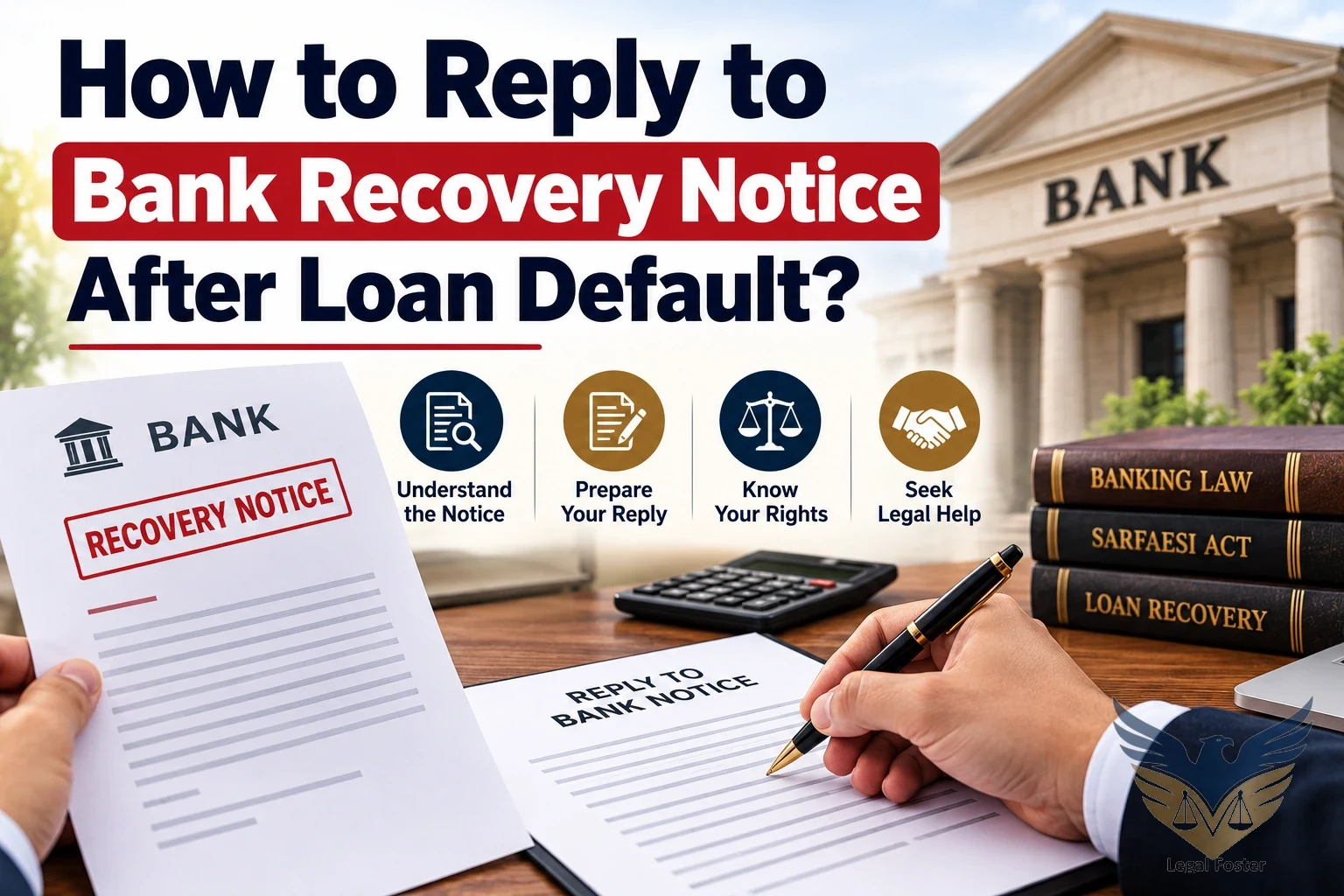
Upon receipt of a recovery notice or default letter, borrowers should carefully review how the bank calculated the claimed amount.
The bank may have added unpaid principal balance, contractual interest, penalty charges, and permissible recovery expenses.
Each of these terms depends on the loan agreement, applicable rules, and account statements.
Contact Advocate BK Singh for legal assistance evaluating loan documents and verifying claimed amounts.
Considering settlement options
Some borrowers may be able to reinstate their regular payments if the lender will agree to modify the account.
Other borrowers may need to work with the lender to negotiate account closure because it is no longer financially viable to continue the same repayment schedule.
Loan restructuring, rescheduling, or OTS are potential options depending on the bank policies and eligibility criteria.
Examining settlement terms
Carefully read the terms of any proposed settlement agreement.
A settlement letter should identify the loan account number, settlement amount, payment due date, and what happens if the borrower does not pay on time.
Borrowers should understand how securities, guarantees, pending litigation, and credit reporting will be treated after the account is settled.
Get settlement terms confirmed in writing. Verbal promises are not enough.
Understanding OTS
A One-Time Settlement reduces the overall payable amount by allowing borrowers to pay a lump-sum or negotiated payment toward clearing the loan.
Some lenders may allow installment payments under an OTS, but that depends on the bank policies.
Banks have complete discretion to accept or reject an OTS based on applicable laws, RBI instructions, and lender policies.
OTS is not the same thing as a legal right to have part of the debt waived.
If a business loan is stressed, the borrower might propose an OTS amount that can be paid back within a reasonable time frame. The bank might consider the lump-sum payment against the total recovery amount, bank’s security position, and other commercial factors.
Can BK Singh Advocate stop property auction?
If legal grounds exist, a lawyer can examine bank actions to determine if the SARFAESI enforcement measures were taken in compliance with the SARFAESI Act and Rules.
Appropriate legal relief can be sought before the DRT.
No borrower should expect that contacting a lawyer or filing an application will automatically stay an auction.
Obtaining a stay from a court or tribunal depends on the facts and laws applicable to the case.
Please Note: Timing matters in banking recovery disputes.
The SARFAESI process includes important legal steps.
Receiving a demand notice under Section 13(2) is different than having property seized under Section 13(4).
Certain defenses become available only after the bank takes specified actions. Legal deadlines can be strict.
Waiting to contact a lawyer until just before the bank auctions property can limit your options.
BK Singh Advocate can guide borrowers through timely legal responses to bank recovery actions.
Secured property such as a home loan raises additional concerns.
When a bank threatens to auction your home or property, it can create understandable pressure and fear.
Borrowers may worry about their family homes and guarantors may feel anxious about property they legally offered as security for someone else’s loan.
Contact Advocate BK Singh to discuss mortgage documents, bank notices, and legal defenses to property possession or auction.
Borrowers do not automatically have the right to stop an auction just because the property was their home.
Legal options depend on the facts and whether the bank followed legal procedures.
Ignoring calls from the bank will not stop recovery actions.
Can I file a complaint against a recovery agent?
Borrowers can challenge harassing behavior by recovery agents and employees. Banks cannot treat defaulted accounts like a license to harass borrowers.
Legal action may be available for threatening calls, publishing personal details, embarrassing borrowers in public, or contacting family members with abusive language.
RBI allows banks and financial institutions to work with recovery agents, but lenders are responsible for agent conduct.
Contact BK Singh Advocate to understand rights and responsibilities concerning abusive recovery agents.
Save call logs, messages, emails, and other evidence of improper conduct.
Preserve recovery agent notes or messages demanding bribes. Submit complaints to the lender using their preferred grievance channel. RBI offers an ombudsman program for eligible complaints.
Filing a harassment complaint will not automatically erase a valid loan balance.
Defaulted loans require resolution, but borrowers have rights too.
BK Singh handles legal inquiries concerning loan settlements, borrowing disputes, SARFAESI notices under India’s Securitisation and Reconstruction of Financial Assets and Enforcement of Security Interest Act, property auctions, bank recovery harassment, wrongful recovery conduct, and dispute resolution before India Debt Recovery Tribunals (DRT).
Schedule a consultation to discuss individual circumstances with an India lawyer.
Which Documents Do I Need to Remember in a Bank Recovery Dispute?
Copies of important documents will allow BK Singh Advocate to assess rights and remedies under applicable Indian laws.
Loan documents
- Loan sanction letter, loan agreement, and executed copies.
- Loan repayment schedule and account statements.
- Copies of EMI receipts, bank account statements, and cash payment acknowledgements (if any).
- Copy of mortgage deed or other security documents. Copy of guarantee, if provided.
- Any NPA or loan closure related correspondence from the bank.
- SARFAESI demand notice or Bank’s possession notice, if received.
- Copy of earlier restructuring requests or loan settlement offers.
- Copies of emails and letters sent to and received from the lender.
- Copy of complaint to or from the bank about recovery agents.
- Any financial records showing inability to repay due to legitimate reasons or job loss.
- Business records may include profit and loss statements, balance sheets, cash-flow records, tax filings, supplier contracts, and other business accounts as required.
- Copies of guarantee deed and correspondence with the lender about any changes to the loan agreement should be retained by guarantors.
Ignoring the bank won’t help. Hiding assets or accounts won’t help either. Speak with BK Singh Advocate to learn which documents matter for your specific issue.
When should I contact a lawyer about a banking recovery matter?
You may contact BK Singh Advocate as soon as you feel overwhelmed by bank calls or believe the bank has violated your legal rights.
After Receiving a SARFAESI Notice
A SARFAESI notice requires prompt action. Do not wait for property seizure to contact a lawyer.
You need to know about the amount due, key dates, the bank’s security interest, and potential legal consequences.
When You Receive a DRT Summons
A borrower can be sued for money by a bank through the Debt Recovery Tribunal. A DRT application can involve significant monetary claims and allegations.
Ignoring a DRT Summons won’t make the issue go away.
Before You Sign Any Settlement Documents
Signing a loan settlement letter or new loan agreement can cause borrowers to waive legal rights.
Talk to a lawyer about your legal options before agreeing to sign a revised loan schedule, undertaking, or settlement paperwork.
When the Bank Attempts to Take Your Property
Possession of property by a bank or its agents can cause irreparable harm if not handled correctly.
Contact a lawyer immediately if bank recovery actions are threatening your property, business assets, or guarantor rights.
BK Singh Advocate Represents Borrowers In Banking Recovery Matters
Advocate BK Singh provides general information about our legal services for SARFAESI notices, banking recovery matters, loan settlement discussions, and disputes before India Debt Recovery Tribunals (DRT). Contact us to learn more about lawyer consultation services in Delhi NCR.
BK Singh can help borrowers and guarantors understand recovery notices, evaluate settlement options, and respond to lenders appropriately under Indian laws.
The website has more information about how Advocate BK Singh handles banking recovery cases, negotiates loan settlements, and represents borrowers and guarantors.
Frequently Asked Questions
1. Will a banking recovery lawyer be able to settle my loan?
Ans. Yes. We can review loan documents, highlight legal risks, explain proposed settlement terms and help with responsive communications or negotiations. Lenders retain discretion to accept or reject voluntary settlements.
2. Can I settle my loan if I have received a SARFAESI notice?
Ans. Discussion with lenders is still possible after a SARFAESI notice. Timing and effectiveness of any settlement would depend on lenders acceptance and the stage of the enforcement process. All existing deadlines would need to be respected.
3. Will a lawyer guarantee that the bank will accept a lower amount?
Ans. No. BK Singh Advocate nor any lawyer can make that promise. While many lenders are willing to settle, there is no guarantee that reduced payment will be accepted. Bank policies, financial hardship, recovery prospects and mutually agreed terms are some of the factors which influence settlement.
4. Can banks recover dues from guarantors?
Ans. Yes. If a guarantee was provided, banks can recover dues from guarantors. Section 128 Indian Contract Act, 1872 states that "subject to the provisions of this Act, and of the contract, the liability of the surety is co-extensive with that of the principal debtor unless it is otherwise expressed in the contract."
5. What should I do if I receive a DRT notice but choose to ignore it?
Ans. Ignoring a notice of DRT could leave a borrower or guarantor open to unfavorable procedural results. Speaking with a lawyer early could help you understand what response, if any, needs to be drafted and what hearing or filing deadlines must be met.
6. Can I stop a bank from auctioning my home?
Ans. If there are legal grounds to challenge an auction, we may advise. Relief from the appropriate tribunal is not guaranteed. It is discretionary and based on the evidence and elements of each statute. Filing a challenge will not automatically stay the recovery process.
7. Can bank recovery agents come to my home?
Ans. Recovery agents employed by banks may engage in collection activity if it is lawful and compliant with existing regulatory guidelines. They cannot harass, intimidate, threaten improper harm or unnecessarily intrude into your privacy.
8. Will I get a good CIBIL score if I opt for a One-Time Settlement?
Ans. Not necessarily. A lender may report a loan as settled to CIBIL bureaus which could influence future lenders differently than if your account was reported as fully paid and closed. Accuracy of reporting is determined by the final terms of your settlement and their reporting policies.
9. Is it possible to negotiate with bank without going to court?
Ans. Yes. Direct negotiation is common in loan matters. BK Singh Advocate can be consulted to review any terms borrowers are considering for legal risks and implications if clients desire a second opinion.
10. When is the right time to speak with a banking recovery lawyer?
Ans. Speak to a lawyer when you receive a recovery notice, DRT summons, communication of possession or auction-related notice. Consulting early can also be beneficial if considering a settlement that could expose your property or self to guarantor liability.
Final Thoughts
Loan default can cause extreme financial and emotional stress especially when your home or business property or guarantor is at stake.
Take a step back and realize that your situation might be either a bona fide inability to pay vs a legitimate disagreement over the validity/legal Enforceability or the amount of the demand for recovery.
Our Banking Recovery Lawyer will examine the facts and explain the law applicable to your situation and potential remedies and advise you whether you should negotiate a settlement or commence/double down on legal proceedings.
You can contact BK Singh Advocate to seek legal advice on SARFAESI notice, DRT matters, bank recovery issues, and loan settlement negotiations.
Recommended strategy would vary depending on the loan agreements, pending proceedings if any, financial situation and the governing law.