Bank Recovery Agent Privacy Complaint: What Borrowers Should Know About Police Threats
**Bank Recovery Agent Privacy Complaint: What Borrowers Should Know About Police Threats **
“If you don’ t pay today we will file a police complaint,” a recovery agent warns. Suddenly calls are coming to relatives, office colleagues, neighbours or some reference number you provided when applying for the loan. Defaulters often feel harassed. Yes you may have defaulted on the loan but this type of recovery tactics is humiliating and threatening.
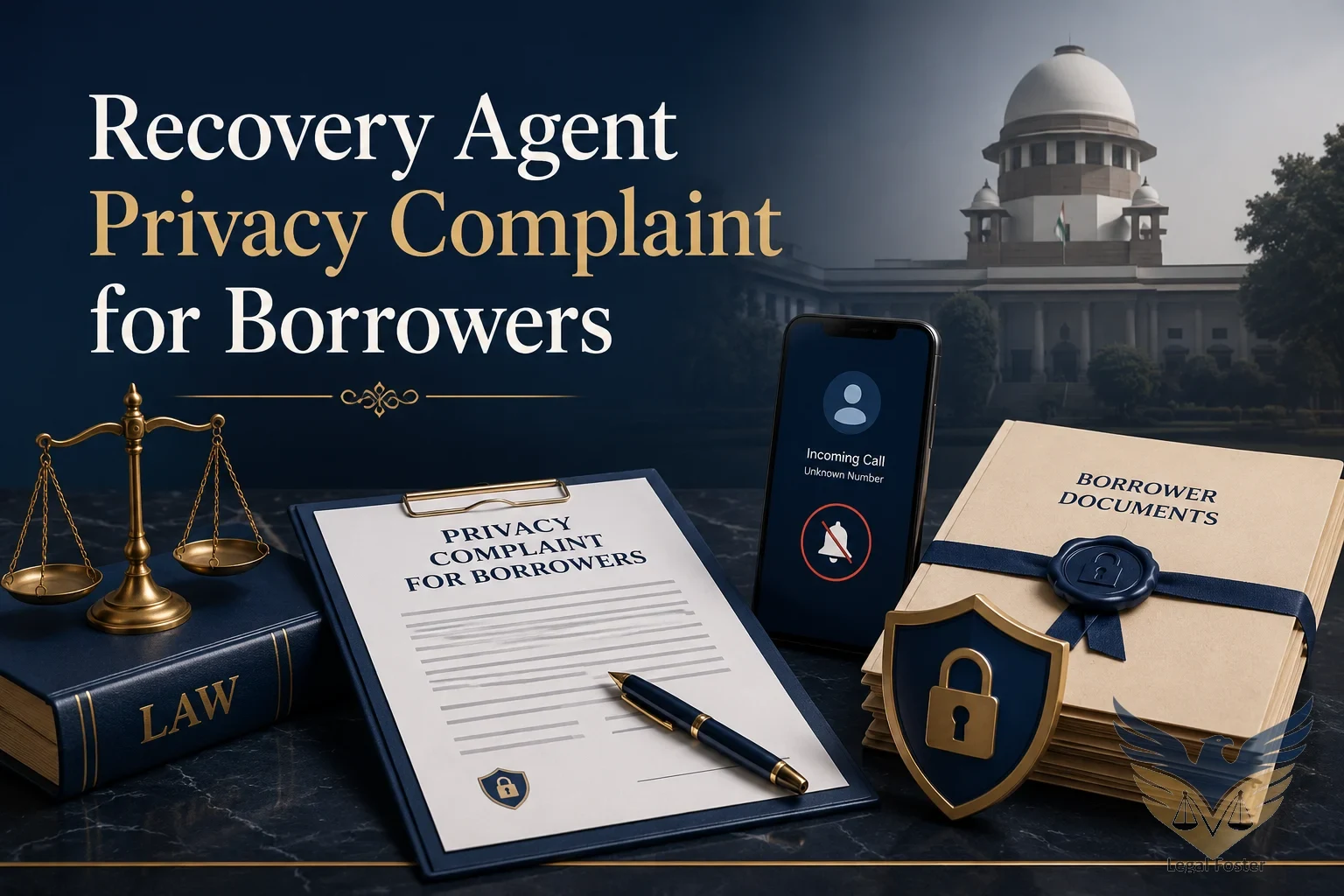
Although lenders like banks have the right to collect any bona fide dues, they cannot allow a recovery agent to threaten arrest, disclose personal financial matters to third parties, make anonymous calls or harass friends or relatives who are completely unrelated to the loan. A bank recovery agent privacy complaint may work for harassment, inappropriate disclosure of confidential information, intimidation or false promises of police complaints.
Separate the loan from repayment behaviour with advice from BK Singh Advocate. Many of BK Singh Advocate’ clients successfully deal with recovery agent behaviour when they mentally separate debt issues from rude treatment. You borrowed money and may have to pay consequences for defaulting. Loan delinquency, missed EMI penalties and restructuring are business issues. Police complaints can have legal consequences but only if a bona fide criminal complaint has been made against you. Threatening to involve police is not allowed as a collection tactic just because you owe money.
Take Notes. Notes are your friend when preparing a calm and effective response. Emails, call logs, voice recordings if available, screenshots, agent identity, lender previous letters, and knowledge of lender processes can help determine if the agents behavior was permitted and whether you should file a complaint with your bank, NBFC, RBI Ombudsman, local police station, consumer forum, or some other agency.
Why Do Recovery Agent Privacy Threats Matter Across India in 2026?
Loan collection stress can quickly affect your self-esteem, job, relationships with family members, and peace of mind. While a borrower with steady employment in Delhi may fear a recovery agent calling their HR department; a borrower that owns their own business in Noida might worry a customer or employee will now know about their disputed loan. Mumbai, Bangalore, Lucknow, Hyderabad, and family members across urban India encounter similar issues.
When banks and Non-Banking Finance Companies (NBFC) outsource recovery to agents, they are accountable for agent conduct.
“You can’ t simply say I work for so and so bank and wash my hands off the issue,” says BK Singh Advocate.
True that if the facts support your statement. Filing a legitimate complaint with the police will have its own legal journey.
A recovery agent yelling at a borrower does not inherently mean the police took the borrowers phone number and filed an FIR. Borrowers should remain calm, verify facts, and preserve evidence of any threatening or privacy violating activity.
Quick Facts
Loan default is NOT grounds for arrest. Missing a loan payment is NOT a criminal offense.
Loan recovery can only happen up to the amount owed by law. Agents cannot threaten, grope, abuse borrowers in public, or excessively share your private information during recovery.
Know who your lender’ authorized recovery agents are (including the telephone number).
Sending a written complaint to your lender is always the first step.
The police may be of assistance if you are threatened with physical violence, abuse, stalking, blackmail or criminal offense.
If the lender or collection agent is a regulated entity, escalate to RBI Ombudsman after 30 days if your complaint is not resolved.
What is Privacy Issue with Bank Recovery Agents?
Privacy during loan recovery is what information the lender can share about your loan. When filing a bank recovery agent privacy complaint you must be able to show how the lender, its representative or outsourced agent misused the borrower’ confidential information. Did they call family members? Inform your employer? Call multiple times a day? Late at night? Was their caller ID spoofed? Did they share your loan with their friends, family, other customers or neighbours?
A violation of privacy is fact dependent. Lenders may have limited information about guarantors, co-applicants and contacts you provided. Just because they know your loan is in default doesn’ take away their right to discuss your loan status with the world.
If you are receiving calls that violate your privacy, Advocate BK Singh recommends writing down the entire conversation. What was said, who it was said to, when, and which number the caller identified themselves as. The more explicit behaviour you can mention in your complaint the better. Although how harassed you felt is valid it’ not a measurable factor.
Indian Laws Regarding Recovery Mode Behaviour
Harassing borrowers during loan recovery is something the RBI instructs against. The banking regulator tells banks and NBFCs not to subject borrowers to anything which can cause “undue harassment or embarrassment”. RBI instructions further hold the regulated entity responsible for recovery agents conduct and requires lenders to implement due diligence, training and supervision over agents, a robust complaint redressal system, and confidentiality clauses towards their customers.
If you took an online loan, RBI issued guidelines called Digital Lending Directions say lenders must provide borrowers with details of their authorized recovery agent before the agent contacts the borrower for recovery. If an agent that says they work for the bank contacts you and you don’ recognize their name, you do not have to trust them just because they know you have a loan with that bank.
Verbal threats by a recovery agent can land you in legal trouble outside of the banking ombudsman process. There may be elements of the crime of criminal intimidation, harassment & criminal abuse, coercion, cheating by misrepresentation or cheating by personation. The right course of action depends on what exactly was communicated to you and what evidence you have of the communication.
Loan disputes are separate from cheque dishonour complaints, civil recovery proceedings under SARFAESI, or submitting a fraud complaint.
Who Should Read This?
Anybody can run into this issue. Borrowers, Guarantors, Co-applicants, salaried professionals, students, small business owners, seniors, and Indian family members can all receive threats for someone else’ defaulted loan. Even if you don’ owe money, recovery agents can violate your privacy by searching your contacts if the loan was from a digital lending app.
BK Singh Advocate has had many clients that do not deny the debt but dispute the lender’ recovery practices. Harassment could include constant calling, embarrassing you at work, threatening to call police at your workplace or residence, visiting your home without identification, or messaging people not involved with the loan.
YES. If you signed as a guarantor or surety they can discuss the loan with you. But what about human resources at your job or that neighbour? That’ where you draw the line and file a privacy complaint.
Documents and Evidence To Keep
Any documents that will help prove your case. This includes:
Your loan documents and recent repayment records.
Screenshots of SMS messages, emails, social-media conversations or chat messages on digital lending apps.
Call logs and recorded calls. (Only keep recordings if legally obtained in your state)
Contact information for everyone the agent claims to have called.
Journal entries if the recovery agent visited your office/home or made threats against you or family members.
A copy of loan recovery agent authorization your lender provided.
Any previous complaints you made to your bank/NBFC/lending app/customer-care.
Medical documentation if the harassment caused you physical harm that can be medically diagnosed. Stresses causes many illnesses.
Record of the FIR or police notice you received, if an actual police complaint was filed against you.
Wait to respond emotionally and hire a lawyer. Advocate BK Singh suggests not abuse the agent back or threaten them online. It’ perfectly within your rights but doing this can harm your legitimate complaint later down the line.
Consulting with a Lawyer
If the agent is threatening physical harm or makes false claims about involving police, contacting HR, embarrassing you publicly, speaking to you loudly or creepily, won’ stop visiting your home/office, or refuses to identify the name of the lender & collection agency – It’ best to meet a lawyer.
You should also consult a lawyer if you receive any legal notice. This includes actual copies of police notices/FIR, cheque-bounce notice, SARFAESI notice or any legal notice for debt recovery. Advocate BK Singh can help you understand if what looks like an official legal notice is actually meant to strong-arm you into paying.
Never sign any blank documents, agree to pay amounts you do not owe or sign over property titles to anyone without verifying their identity. Avoid making rushed decisions when pressured by agents.
How We Can Help
BK Singh Advocate can provide documentation driven legal advice for borrowers experiencing recovery agent harassment, debt collection harassment, privacy breaches during recovery, legal notices demanding loan repayment, and dispute resolution with banks during the loan recovery process. Advocate BK Singh reviews communication, lender information, agent authorization documents and assesses your legal forums before recommending what you should do next.
Recommended Next Steps are meant to protect your legal rights and are never guaranteed. Every situation is unique and depends on the loan type, lender, agreements signed, alleged activities of the recovery agent(s) and evidence you have to support your claims. This is particularly important if a criminal or civil case has already been initiated against you.
FAQs
Q1) Can a bank recovery agent threaten to file a police complaint?
Ans. Bank agents can tell you the lender wishes to pursue their legal remedies. Threats of police action can’ t be false, abusive, or made to mentally bully someone into paying. BK Singh Advocate can help you determine if the call is really making a legal claim or merely trying to strong-arm you.
Q2) Can bank recovery agents call my office?
Ans. Contacting coworkers or uninvolved third parties about your personal loan is NOT normal. There is a difference between confirming employment to collect a debt and threatening to embarrass you at work.
Q3) Is loan default a criminal offence?
Ans. Civil loans are NOT a criminal offense. Criminal charges require independently proven facts. For example if you borrowed money and it factually can be proven you cheated your lender; you may have committed a crime.
Q4) Can a bank recovery agent call my parents?
Ans. Depending on the situation it’ normal to discuss the loan with a co-applicant or person you’ authorized. If the agent is calling your neighbours, people you’ never heard of, or trying to shame you by discussing your loan with others – there could be a privacy issue.
Q5) How do I write a privacy complaint against a bank recovery agent?
Ans. Include your loan account number, caller phone numbers, agent name if know, date and time you received calls from the unknown number, what was said verbatim, who you spoke to, any screenshots, recordings, and a copy of your earlier complaint to your bank or NBFC. BK Singh Advocate will guide you through everything you need to include.
Q6) Can I file a complaint to RBI about bank recovery agents?
Ans. Customers are generally expected to raise their grievance with the bank/NBFC first by using their internal complaint mechanisms. Only if the complaint is unresolved or the bank does not respond within 30 days can the complaint be escalated to RBI via the Ombudsman scheme.
Q7) Will my loan recovery stop if I file a privacy complaint?
Ans. No. Your bank will likely continue to call you or hire another agent to recover the loan. A privacy complaint is about the lender’ conduct during recovery and does not resolve whether the loan will be paid.
Q8) Can I get arrested for not paying EMI?
Ans. EMI stands for Equated Monthly Instalment and is not a criminal charge. Police can contact you or they may not. Only a police complaint would force you to talk to them. If police contacts you make sure an FIR was filed against you and consult a lawyer. Do NOT assume just because you didn’ pay EMI’ s that police harassment is justified.
Q9) Do I have to pay recovery agents cash?
Ans. No. You do NOT have to pay cash. Only pay the bank into their NEFT/RTGS account that you know belongs to the lender. Verify any payments go towards your loan and you received a receipt or some written acknowledgment of the payment.
Q10) Can bank recovery agent come to my house?
Ans. Ask for their identity card, which must include proof of their lender authorization. Calmly explain your privacy concerns and remove yourself from the situation. If you believe a crime was committed by the recovery agent based on their statements or actions; preserve evidence of the calls and seek legal or police help as appropriate for your specific situation.
Conclusion
Loans and debts are normal but you should not be harassed about it. Use the legal tools at your disposal when facing rude recovery agent behaviour.
Privacy complaints against lenders or their agents may be justified if privacy was breached, office bullying occurred, relatives were threatened, or private information was used against you inappropriately and exceeds normal professional loan collection behaviour.
Advocate BK Singh can objectively review your loan situation and the facts before you emotionally react. Call today.
Author Bio
BK Singh Advocate helps borrowers understand banking recovery & harassment by loan recovery agents, privacy violations, loan demand notices, loan settlement and negotiating disputes with banks during the recovery process. He analyzes loan documentation, borrowers obligations under statutes / regulations, any evidence of alleged wrongdoing & what forum the complaint should be made in. Clients have included Indians and Indians living abroad from Delhi NCR, Chennai, Kolkata, Mumbai, Bangalore and elsewhere.