Supreme Court Takes Suo Motu Cognisance of Rising Rape Cases in Delhi
Three men posing as cops gang raped a 17-year-old girl in Delhi’s southeast area last week.
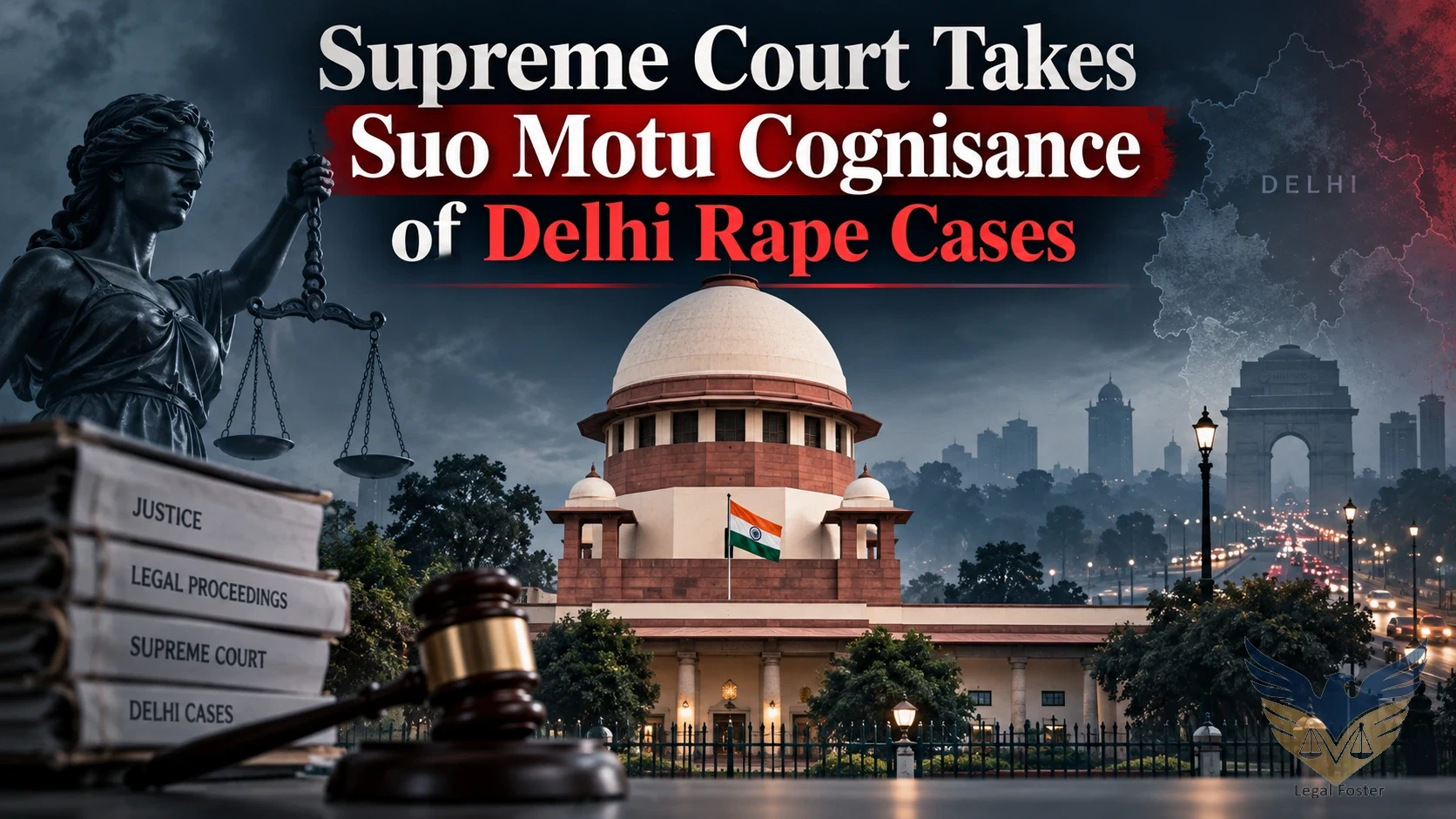
The Supreme Court Monday took suo motu cognizance of a number of rape incidents that have happened in Delhi-NCR recently, including the incident of gangrape of a teenager last week inside a public park in the national capital.
A Bench of Justice JB Pardiwala and Justice K Vinod Chandran directed the Registry of the Court to file a suo motu public interest litigation on the issue and listed it for hearing. “One cannot help but draw painful parallels with the Nirbhaya case of 2012 and shudder at the thought of whether systemic law-enforcement mechanisms have made any meaningful progress in the decade since,” Justice Pardiwala wrote.
“A news report available to us through newspapers states that a 17-year-old girl was gang-raped on September 21 at Astha Kunj Park near Kalkaji Mandir in southeast Delhi by three men posing as police officers.” “We further understand that at least 13 cases of sexual assault have been reported from Delhi this month alone.”, the bench said.
The Bench noted that such occurrences across Delhi-NCR sadly highlight the systemic lapse on part of law enforcement as well as public administrative agencies to ensure basic safety to the public.
“The right to live with dignity free from fear of violence is an integral component of the right to life and personal liberty of every individual guaranteed under Article 21 of the Constitution.” the bench said adding that “open spaces such as parks, roads, buses, metro stations, subways and footbridges cannot be allowed to turn into potential danger zones for women, men and children due to lack of proper lighting or surveillance, non-patrolling or any other administrative lapse which can otherwise be prevented”.
The court further added that though statements made by public authorities and our elected representatives sympathizing with the victims and showing concern over such horrific incidents are laudable, but lack accountability.
Such cathartic expressions, though instinctive, fall very short of providing any answer to the larger question of institutional inadequacy.
“While it is natural to stand in solidarity with victims of violence, expressing solidarity alone does not cure society of this social evil.” The bench said adding that “Need of the hour is a tangible response and accountability fixed upon those authorities who have been assigned the responsibility of preventing crime, maintaining public order and ensuring safety of vulnerable members of society.”