Delhi High Court PIL Seeks Crackdown on Non-Dairy Products Sold as Paneer
Seeking action against dairy analogues and non-dairy products sold or served as paneer
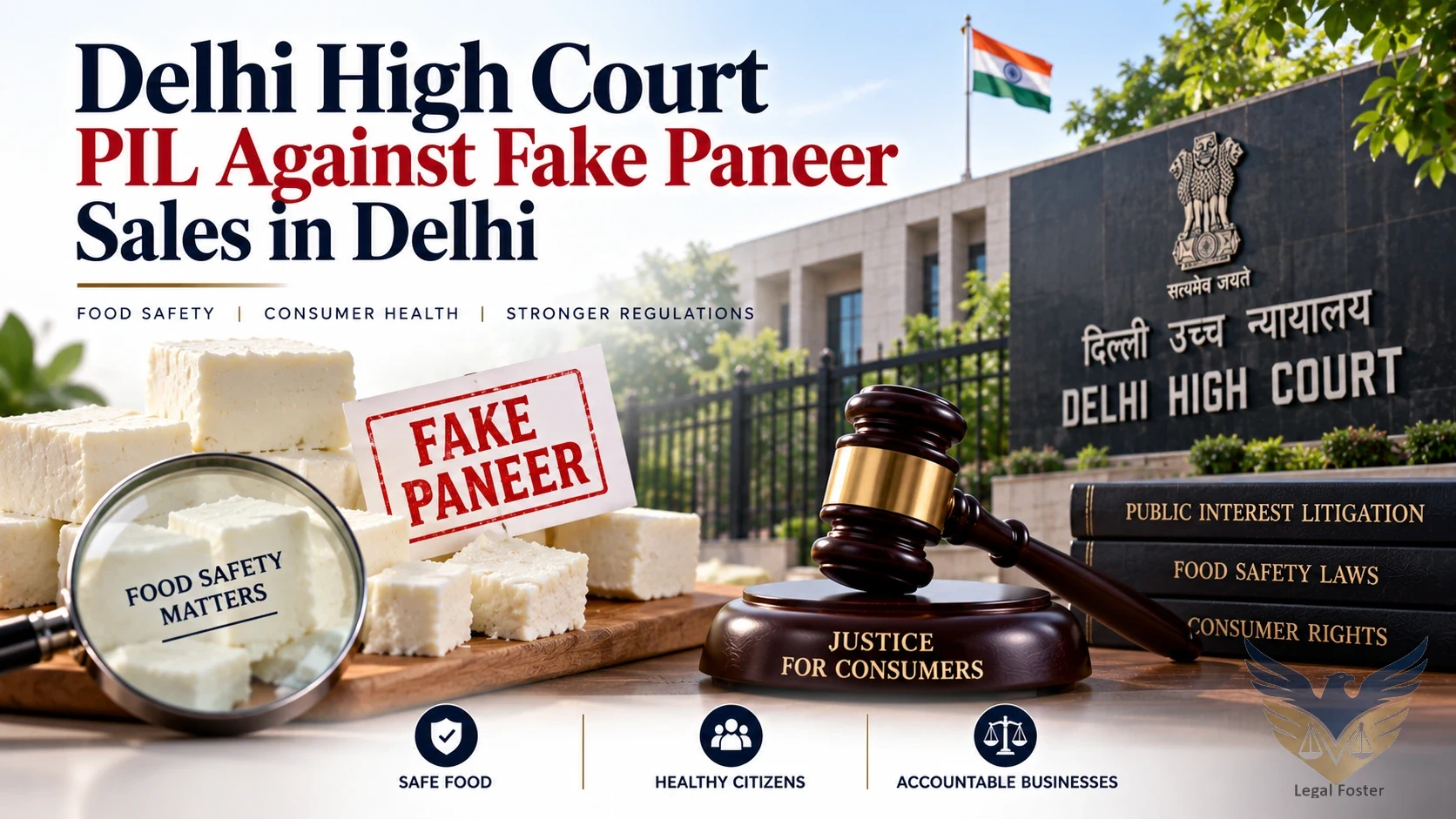
The Delhi High Court on Wednesday sought response from the Food Safety and Standards Authority of India (FSSAI), Central and Delhi governments, as well as the Commissioner of Food Safety to a plea seeking directions to take action against dairy analogues and non-dairy products being sold or served as paneer in Delhi.
The plea also sought interim directions to conduct an enforcement drive against such non-dairy products sold as paneer. It was submitted that such directions are necessary especially since festive season is about to arrive.
The Court refused to pass any such interim directions.
The public interest litigation (PIL) has been filed by Ridhima Singh, a law student and Avlokiteshwar Padmapani Sidharth, an advocate.
The plea seeks to issue directions to authorities to crack down on dairy analogues and non-dairy products being sold or served as paneer in Delhi.
Petitioners have urged the Court to direct the Delhi government and food safety authorities to conduct regular inspections, sampling and testing of paneer manufactured and sold at manufacturing units, wholesale markets, distributors, retail outlets and display at food service establishments including restaurants and cloud kitchens.
They have also argued that “when a consumer orders paneer tikka, kadai paneer or paneer butter masala, they ordinarily expect to be served a dairy product, and have no way of knowing that they have been served a non-dairy substitute, such as tofu, in violation of the applicable laws.”
The plea further says that “far from seeking a blanket prohibition on perfectly lawful plant based or dairy analogue products, the petition respectfully seeks effective action against non-dairy substances being illegally passed off as paneer, without any such disclosure.”
Petitioners have also relied on measures taken by food safety authorities in Maharashtra and other States to claim that immediate enforcement action can be directed by authorities under the existing law without waiting for the regulations to be amended.