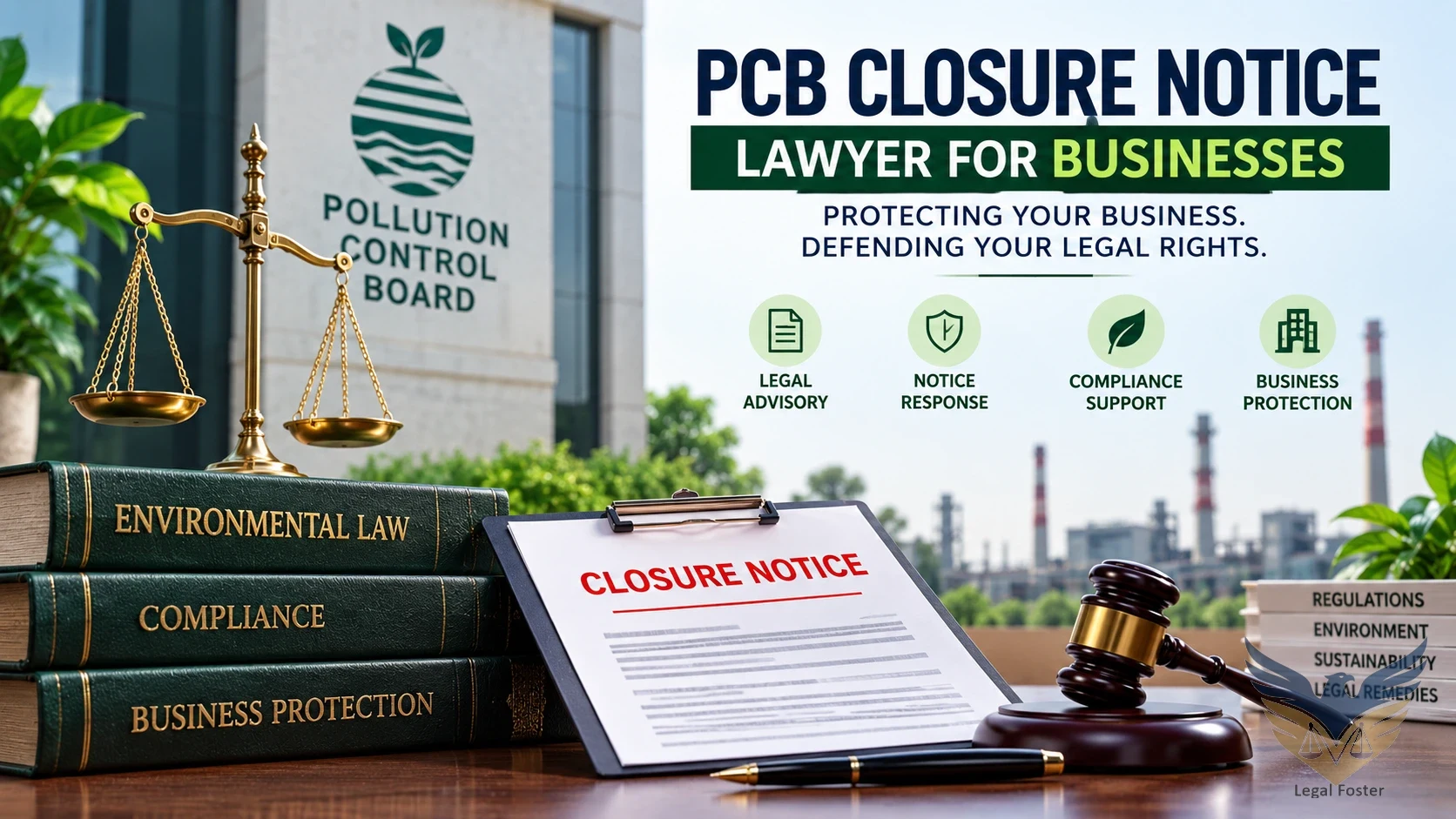
Nothing catches an owner/operator’s attention quite like a letter from the Pollution Control Board shutting down an operating facility.
The consent to operate associated with an industrial license may expire. A compliance team may have spotted open drain effluent/effluent release, elevated emission levels, an ETP/STP problem, hazardous waste inconsistency, absent observations or overproduction. Owners occasionally understand just how dire the circumstances become when a property receives a show-cause notice, intention to close notice or closure notice.
When issued to a plant, eatery, medical center, warehouse, industrial estate, construction workplace or other facility under environmental supervision, however, consequences are rarely environmental paperwork problems.
Processes stop. Electricity or water might get turned off. Are purchases going to be recalled by customers? Payroll is on the personnel who can’t work as business halts. Financial institutions, shareholders, and directors of companies may have compliance concerns..
If enforcement notices are taken to heart, PCB closure notices should be viewed as compliance/legal liabilities.
Pollutions-control boards have forceful legal instruments at their disposal. Under Section 33A of the Water (Prevention and Control of Pollution) Act, 1974 Boards can issue written orders that “may, in particular, relate to the closure, prohibition or regulation of any industry or the stoppage or regulation of the supply of electricity or water or any other service to any industry”. Similar authority is bestowed on the Boards under Section 31A of the Air (Prevention and Control of Pollution) Act, 1981.
Equally, Section 5 of the Environment (Protection) Act, 1986 allows enforceable orders relating to the environment which can specify the closure, prohibition or regulation of an industry or operation.
Hopefully not every PCB letter means your facility will be shuttered indefinitely.
A lot depends on what was specifically issued by the agency, why it was issued, whether the supposed violations are legitimate, what proof of compliance you can produce, and what statutory remedies you have.Indian Environmental Lawyer BK Singh can help you sort out a closure order by separating the immediate compliance issue from the underlying legal dispute.
That’s a distinction that makes a difference.
Why Does a PCB Closure Notice Matter in India in 2026?
Environmental enforcement can go all the way to shutting down an industrial/commercial unit from operating.
They do not need to wait till years of civil enforcement actions that violations of environmental permits (known as ‘directions’ in India) reach stages of commercial importance. Closure orders can relate to degrees of pollution, violation of consent terms, failure of pollution control equipment, illicit discharge, illegal expansion or any other substantial non-compliance.
The Central Pollution Control Board (CPCB) has openly stated that while its inspection manual allows it to issue show-cause notices for instances of minor non-compliances to allow a unit a chance to respond as would be expected under natural justice, it can issue instant closure orders in situations of blatant non-compliance which have the potential to cause major environmental damage.
As a business operator that is an important distinction.
Having paperwork late is not the same as having hazardous waste openly leaking.
Renewing your consent before it expires and running without consent are not necessarily the same issue.
A failure that you caught and rectified before inspectors show up is a different factual situation than an effluent treatment plant (ETP) that has been offline for several months.
BK Singh Advocate usually advises businesses to know exactly what they have been alleged to do wrong first, rather than respond to a PCB order with generic statements such as “we are compliant with all regulations”.
Issuers often ask to see records.
Depending on the situation, being able to produce a copy of your consent order, laboratory analysis reports, operation logbooks, photographs, waste transfer tickets, online monitoring reports or even referencing the observations of the inspection itself may be much more helpful than talking in hypotheticals.
Quick Facts
- Statutory environmental powers/functions have been vested with SPCBs/PPCCs under Water Act, Air Act and other environmental legislations.
- Closure or regulation of an industry and stoppage or regulation of water/steam/power etc. can be directed in writing by SPCBs under Section 33A of Water Act.
- Power to give directions in writing is also provided under Section 31A of Air Act.
- Closure, prohibition or regulation of industry or process can be ordered under Section 5 of Environment Protection Act. Directions can be issued accordingly.
- Show-cause notice is one thing and passing of final direction of closure is altogether different.
- If the violations are of technical nature like emission, effluent, ETP/STP performance/monitoring etc., then only technical evidence would hold water.
- Orders relating to directions issued or passed by Appellate Authorities under environmental laws can be challenged before NGT under Section 16 of NGT Act, subject to few conditions depending on source of statute from where the order has been passed.
What Does a PCB Closure Notice Actually Mean?
Issuance of PCB closure notice sends a signal that PCBs ER believes there is significant violation to justify issuance / imposition of operational constraints.
This is why details matter. Each has different legal effect depending on the words stated.
A PCB closure notice may simply ask the erring unit to show cause why its closure should not be ordered.
Yet another PCB Closure notice may per say direct closure. Another PCB closure notice may direct discontinuation of electricity / water.
" BREAKING NEWS " STOP businesses from USING NONSENSE TERMS like "notice", "show-cause", "direction" and "closure order" INTERCHANGEABLY AS THOUGH IT MEANS THE SAME. IT DOES NOT.
Where a show cause notice is issued, this would ordinarily mean the person/ business gets an opportunity to respond to alleged violations, before final order is passed.
Closure direction is ORDER which has to be complied with.
Proposed direction under Environment Protection Rules DOES provide for opportunity to file objections subject to any provisions under the applicable rules and Exceptions, if any.
Direction under Environment (Protection) Rules, 1986 (hereafter referred to as Rule 4) speaks to directions to be issued under Section 5 (2) (c) of the EPA, 1986. In case of proposed direction, serving a written copy of the proposed direction. Rule 4, generally speaking requires that opportunity of not less than 15 days be given to put up objections. See Rule 4 (4) for exceptions, where environmental injury is so grave that opportunity may be dispensed with (ONLY for reason to be recorded).
1st practical step is IDENTIFICATION.
"What" exactly has been served on you? Let BK Singh Advocate analyze Heading, Statutory provisions cited, inspections history(if any) and operative portion to tell you exactly what response mechanism you have.
What Documents Should Be Collected Immediately?
Just how clean of a record does your PCB facility have? Often times, this can be based on what they can produce as documentation.
Some useful documents may include:
- Approval to Establish;
- Approval to Operate and renewals;
- environmental clearance, if applicable;
- permit under waste-management regulations;
- inspection reports;
- show cause notices;
- responses previously provided;
- closure orders;
- lab test results;
- monitoring uploads;
- ETP/STP operating logs;
- dangerous waste manifests;
- water consumption records;
- electricity bills;
- production records;
- photos/videos;
maintenance records; Invoices for any pollution-control devices purchased; and
correspondence with the Board.
Don't fabricate documents.
Creating documents back-dated to appear as if they were done on time can cause a larger problem than what you may be facing. BK Singh Advocate can use these documents to formulate a timeline. This timeline would include what happened before inspection, what was observed during inspection, what corrective action has been completed, and what you are currently fighting.
Why Are Inspection Reports So Important?
Inspection Reports ARE the Enforcement Story
If the inspectors put in their inspection report that the ETP was inoperable, there was observed discharge, monitoring equipment was not present or consent had expired, etc. That could very well become the violation with which you are Enforcement is pursued.
For that reason, people who manage enforcement programs should know what their inspection reports say.
So should the technical people who work for them.
Often environmental lawyers find facts they cannot prove without help from the technical experts. They may need an engineer to interpret something.
Lawyers can interpret the statue. Engineers can interpret technical data.
Lab people can interpret lab results.
Environmental engineers can explain why an observed sample result was not consistent with the operating data collected at the same time.
Inspection reports can confirm the facility observed the discharge or did not observe the discharge.
Lab reports can confirm or deny if a parameter was in violation of the applicable standard.
The three should work together.
Should a Unit Stop Operations After a Closure Direction?
Pending final closure instructions must be complied with.
Do not continue operation with the intention of later opening up attack on the order.
Failure to comply with a statutory environmnent direction is also punishable under the statute itself. Therefore the Air Act itself has penal provisions which would be attracted by non compliance with Section 31A directions.
Regarding operation of the business after the order/ order with modification / stay/ other relief has been granted would depend on the terms of that order,/ modification / stay order/ appellate relief etc. Let Counsel BK Singh review the operative language before the management takes a position that would enlarge exposure.
What Should a Business Avoid After Receiving a PCB Notice?
- Remember these. . .
- Don’t miss deadlines.
- Don’t assume an oral conversation with an inspector is better than a written response.
- Don’t submit inconsistent production reports.
- Don’t hide an expired permit.
- Don’t backdate logbooks after an inspection.
- Don’t provide technical explanations that were not approved by the plant engineer.
- Don’t turn a pollution- control device back on for photographs and then turn it off again.
- And never rush to file litigation in the first jurisdiction you discover whose name appears in an internet search.
- Match the forum to the remedy.
When Should a PCB Closure Notice Be Treated as Urgent?
Where :-
- where: a final closure direction has already been served;
- where electricity / water discontinuation is directed;
- where production has been ordered to cease ;
- where the notice is alleging discharge of hazardous waste;
- where consent has merely lapsed;
- where there were prior directions which were disobeyed;
- where there is an inspection report which proves pollution-control devices were bypassed;
- where the unit has received prior notices;
- where bank guarantees / customer commitments are being affected;
- where the respondent is scheduled for a personal hearing;
- where the order mentions compensation for_envir_onment; or
- where the limitation period for seeking an appeal is nearing.
DO remember that TIME IS OF THE UTMOST IMPORTANCE. Certain remedies will be lost if not sought immediately.
Example. Section 31 Air Act envisions a period of thirty days in which to file an appeal against certain orders passed by the State Board. This time limitation can be enlarged if theAppellate Authority admits an application filed after the said period has lapsed by asking the applicant to showcause as to why the delay should be condoned.
Appeals before the NGT are also bound by statutory limitation period depending on the proceeding filed. Thus Section 14 has a limitation of six months to file petitions with respect to certain environ mental disputes(meaning extensions are only upto two weeks ) and appeals under Section 16 have their own limitation period.
ONLY SOME ENVIRONMENTAL CASES NEED TO BE HANDLED IMMEDIATELY.
Can Closure Be Revoked After Compliance?
Proofs of compliance can be reasons to reopen a facility if permitted by the applicable statute.
Having your Pollution Control Facility operated equipment available for addition after closing does not automatically reopen the plant.
Proofs of compliance may be requested by the regulator in the form of inspection & monitoring reports, proof of correctives or proof of achievement of conditions.
It depends on the circumstances.
Recently repaired ETPs should confirm treatability through testing.
Consent issues may require a favorable regulatory ruling.
Waste-management gaps may require certification from a permitted facility.
BK Singh Advocate can assist you in determining whether you have a proof of compliance issue or a legal issue attacking the validity of the closing order.
How Can Environmental Lawyers Help?
Companies receiving PCB show cause notices, proposed closure letter, Consent related disputes, environmental compliance and related proceedings can get assistance from Environmental Lawyers
LEGAL VS TECHNICAL ASSISTANCE
An attorney’s role is not to perform the environmental engineer’s job. It is to understand which legislation applies, understands what the regulator has asked, gather documentary evidence, be aware of what forum is available and present the business standpoint in a legally meaningful manner.
Notice under Water Act, Air Act, EP Act, and related laws can be analyzed by BK Singh Advocate according to the document. If the matter is related to CTE or CTO, consent history would be analyzed. If allegation is based on ETP, STP or emission, technical report plays a vital role. If final direction is passed against the unit, appellate or NGT route would be explored on war-footing basis.
Review of Document
Legal review can be done through phone or virtual mode for companies situated in Delhi NCR, Noida, Greater Noida, Ghaziabad, Gurugram, Faridabad, Jaipur, Lucknow, Mumbai, Pune, Ahmedabad, Bengaluru, Hyderabad, Chennai, Kolkata or elsewhere where industries of India are situated. BK Singh Advocate would collaborate with technical consultant if the dispute is technical i.e. based on pollution-control equipment efficiency.
Frequently Asked Questions
PCB closure notice is statutory notice which is issued where there has been an alleged environmental non-compliance and a potential shutting down of the operations as penalty. Legal implications of receiving such notices differ from a showcause notice to proposed action to closure direction issued under statute. BK Singh Advocate can guide you on reviewing such statutory provision and operative language prior to drafting of response.
Yes. Section 33A Water Act and Section 31A Air Act refer to powers to “close” or “prohibit” or regulate industries.
No. Enforcement agendas are dependent upon the nature and severity of non-compliance. CPCB stated in one of their orders that minor non-compliances will be dealt with show-cause procedure as per CPCB guidelines. Serious non-compliance which poses imminent and grave damage to environment may receive closure direction.
Businesses can represent themselves through their authorised persons. However, there are cases where having a lawyer would be useful if the notice involves shutting down of your business, cutting off electricity and water supply, heavy environmental damages or you are seeking appellate relief. BK Singh Advocate can help you compile your arguments based on statutes and documents. You may also hire technical experts to help with engineering aspects.
Documents which can be attached are CTE/ Copy of CTE, CTO and history of renewals if any, environmental clearance if required for your operation, laboratory analysis reports, ETP/STP related records, effluent monitoring reports, waste manifest records, photographs of your facility and how you are in compliance, maintenance records and production logs. Any past correspondence with the agency may also be helpful. Documents will differ depending on the specific allegation being made.
Yes. Section 16 mentions orders passed under Section 33A of Water Act in the list of orders enumerated. You will have to carefully determine the legal remedy by statute under which notice or order has been issued.
Remediation efforts are certainly considered, but does not erase the previous offense or prevent issuance of closure order immediately. You may be asked to prove your part by providing documents, allowing access of their officers or you may be required to comply on spot. BK Singh Advocate can guide you on how to ensure subsequent compliance when you are faced with pending notice.
If the provision under Water Act, Air Act or EPA is attracted in your case, then orders can be issued to stop or regulate supply of electricity to your premises.
You cannot simply deny the allegations made by PCB in their report. You must reply to PCB with evidence. Use photographs, maintain EMR’s, keep laboratory analysis reports, maintenance records and have your engineers explain how you are in compliance. BK Singh Advocate can help you explain these facts before right forum.
You should seek help from BK Singh Advocate immediately if you have a short deadline to respond to show cause, if the notice orders closure of your operation, if you will lose electricity or water connection, if your consent is about to expire, if you’ve received notices for multiple violations, if you may be forced to pay environmental compensation to the regulatory agency or if you wish to file an appeal.
Final Thoughts
Firstly figure out exactly what the order says. Understand what violation of environment you have supposedly committed. Then there is the question of evidence: consent orders, technical records, sampling evidence, lab reports and documents showing corrective action taken.
Indian environmental laws provide powers to regulators to invoke a host of enforcement mechanisms under the Water Act, Air Act and the Environment Protection Act. The laws also provide avenues for legal and appellate relief in deserving cases, including specially provided NGT remedies.
Environmental Lawyers, BK Singh Advocate can assist industries and businesses about PCB notices, closure notices, consent related matters, environmental documents, NGT relief and enforcement action relating to the facts of the case.