ECS Bounce in Personal Loan: What Legal Issues Can Borrowers Face After a Notice?
People take a personal loan in emergencies like medical emergencies, children’s education, family events, business needs, or an instant shortfall of funds. Repayment issues arise when borrowers’ earnings decrease, their business cash flow is affected, or when they face multiple financial liabilities.
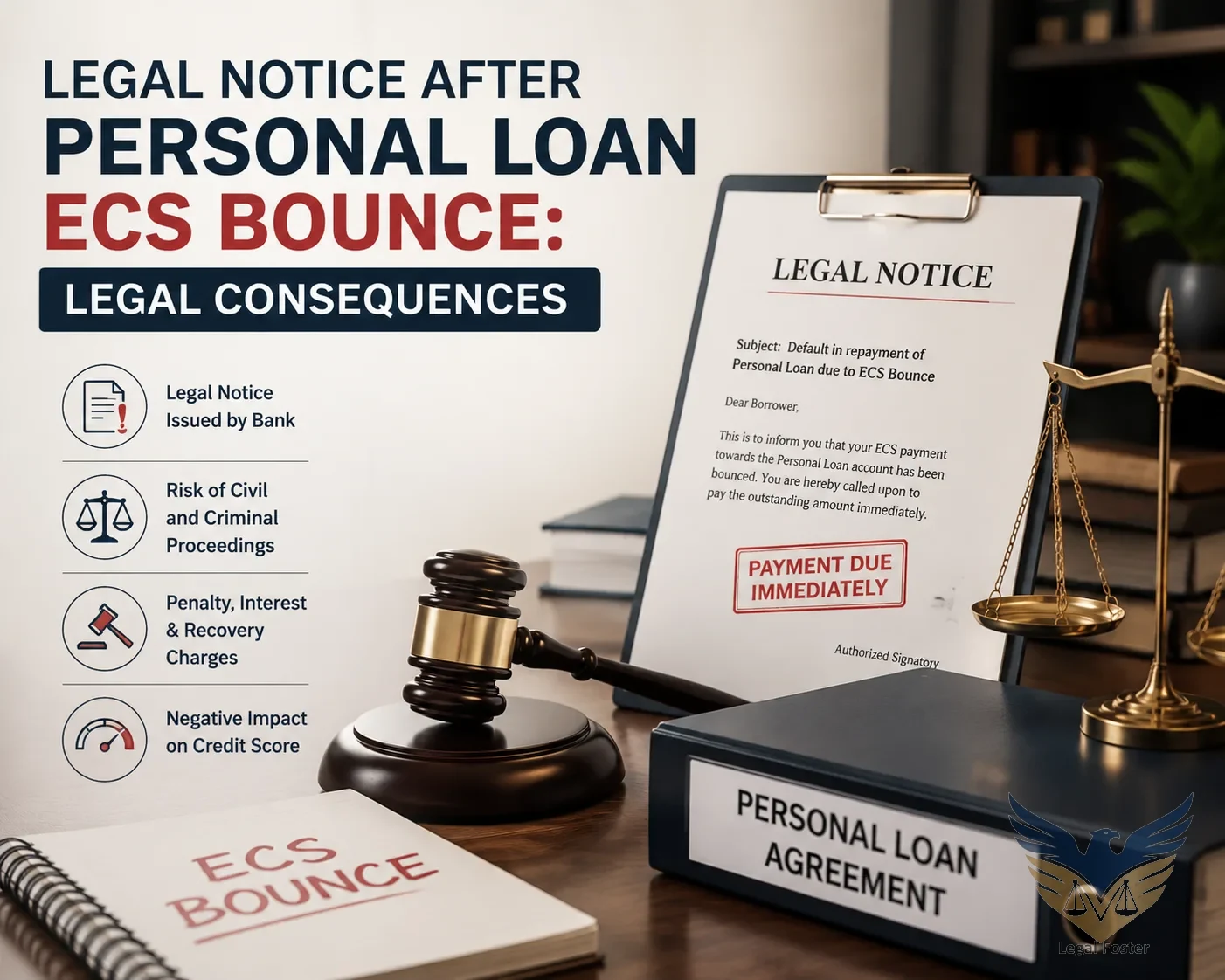
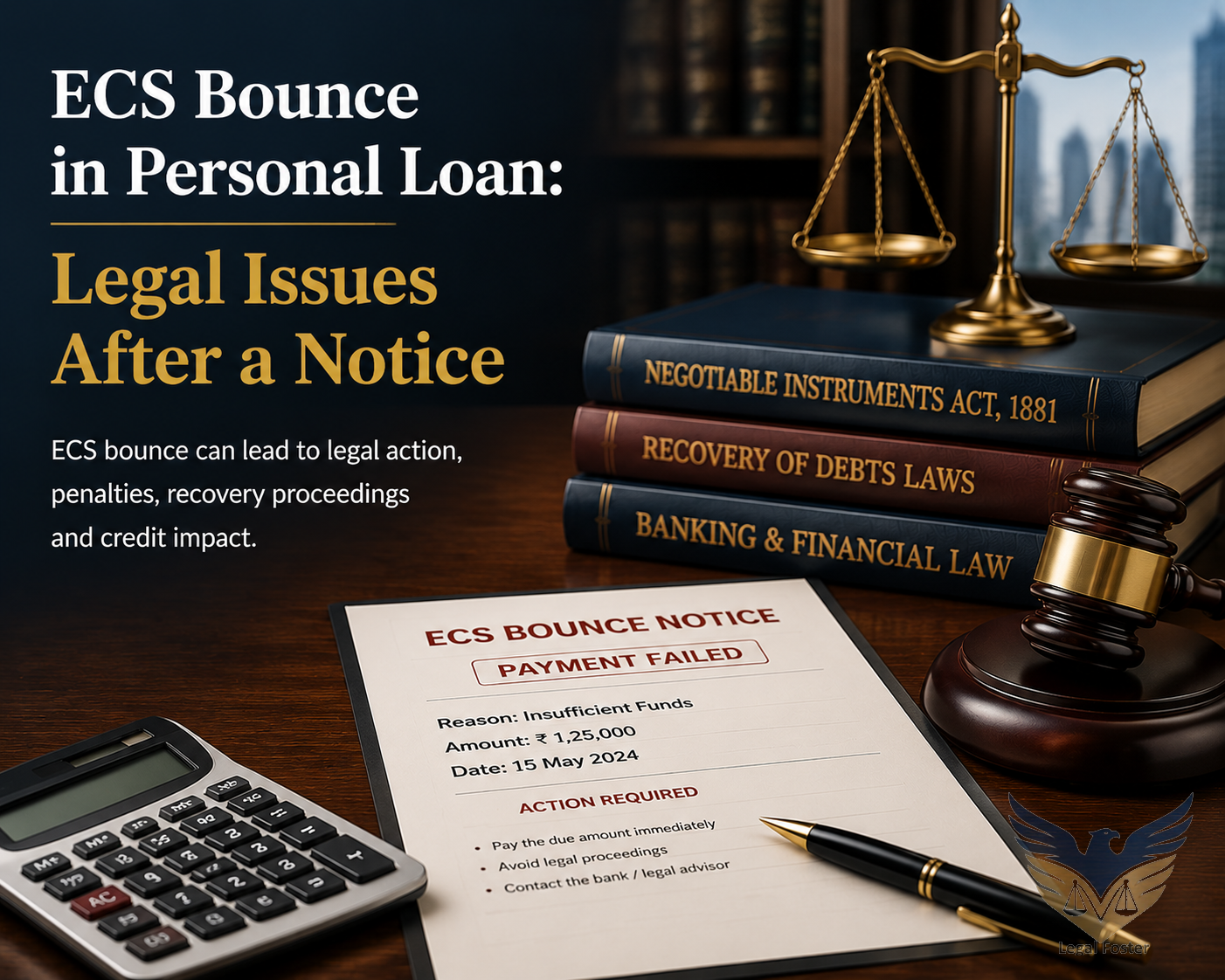
An ECS bounce on a personal loan account is one such borrower grievance. Lenders can term it as defaulting on the repayment if ECS mandate fails due to no funds in the account, account blocked, technical glitch, or any other bank-related reason. Receipt of legal notice after the ECS fails again can stress borrowers.
A legal notice for ECS bounce is no notice for getting a reminder message. It means lenders have initiated action on the pending amount owed by you. The legal terms used in the notice, allegations stated against you, and the notice period may scare borrowers who are already under financial stress.
BK Singh Advocate comes across borrower-specific legal issues where borrowers want to know about loan notices, issues with banks, and legal troubles related to loan repayment.
Why ECS Bounce Personal Loan Notices Create Serious Concerns for Borrowers
Essentially, an ECS mandate is a document that a borrower gives to the lender to debit the instalments directly from their bank account. If the ECS deduction does not happen as scheduled, the lender marks it as missed. Upon multiple occurrences, the account gets classified, and the borrower builds a history of not paying on time.
Another issue with ECS failures is that borrowers tend to treat it as a minor glitch in the banking process. Most lenders treat the due instalment as a default under the loan contract. This results in more calls/negotiations, demand notices, etc.
Also, if the borrower is already struggling with actual issues, debt recovery calls/negotiations don’t make things any easier. People lose jobs, businesses have bad months, medical emergencies happen, unexpected expenses come up – no matter what. Recovery calls add to that stress.
Quick Facts About ECS Bounce in Personal Loan Matters
- ECS failure indicates that automatic loan repayment attempt failed.
- ECS failed transaction may be considered as a default of repayment.
- Loan agreements typically have clauses for repayment and events on default.
- Non-payment instances can get reported on credit history.
- Receiving a legal notice can mean loan recovery issue is being escalated legally.
- Loan disputes vary based on facts, agreements and correspondence.
- Borrowers should understand if a legal notice received by them is for a genuine cause.
What Does an ECS Bounce Legal Notice Mean for a Personal Loan Borrower?
Typically, an ECS bounce notice may state that the lender has detected the outstanding amount and the borrower needs to rectify the pending situation. There may be references to default instalments, due charges, terms of the agreement or potential future proceedings.
As a borrower, it may be challenging to determine if the notice is simply a recovery message or if it indicates escalation of the dispute. The language of every notice can vary depending on the lender, loan terms, repayment schedule and default reasons.
Some borrowers tend to ignore such notices with the assumption that the lender will stop calling them eventually. Ignoring a legal notice can compound ambiguity and lead to further worries about the borrower’s liability.
BK Singh Advocate helps borrowers realise the importance of loan notices and legal issues involved with ECS bounce conflicts.
How Does ECS Bounce Affect Borrowers Facing Personal Loan Difficulties?
ECS bounce causes multiple problems than just that unpaid instalment. Stress related to finances as bouncing of ECS along with other charges, follow-up calls, and hassles of repayment can be stressful. Credit reporting is another issue. All banks have repayment records which might affect you when you go for future borrowing requirements.
Let’s say if you want to apply for a home loan or vehicle loan or finance for business purpose. Then your repayment getting affected can cause concern. Financial condition becomes more complex if you have multiple loans. You already have varied loans with different lenders and one missed payment can derail your tight financial ship.
It’s hard for people to keep track of which loan needs immediate repayment and how each lender might treat your delayed repayment. Lastly, peace of mind is something everyone needs and daily calls, notices, and reminders from the bank can really take a toll on your personal life. One may not even feel comfortable talking about these financial issues with their loved ones.
Legal Framework Connected With ECS Bounce and Loan Notices
Personal loan issues are usually contractual in nature. Both borrower and lender agree to terms of repayment, instalment due dates, events of default and any other clauses mentioned in the loan agreement.
When it comes to loan recoveries, the issues involve various principles of contract, recovery rules, Credit Information Companies (regulation) Rules, etc. based on the facts of the case like nature of notice, payment history, the loan agreements and the actions of the lender.
In certain cases, instruments used for payment and Electronic Clearing Service (ECS) failure can give rise to separate legal issues. But, not every ECS bounce issue can be dealt with like this as each borrower’s situation is unique.
Many borrowers have the misconception that if they receive a legal notice, they have lost their stance. However, dismissing a notice as something that can be ignored can land you in more trouble.
Documents and Records That Usually Become Important in ECS Bounce Disputes
Documentation Related to ECS Bounce Issues
Most borrowers who have ECS bounce issues may ask why do I need to keep records? Looking at your records can help you understand the issue involved and what has been communicated to you.
Typical documents that are related to these issues are:
- Loan Agreement & Sanction Letter
- ECS Mandate
- Account Statement for the Bank
- Loan repayment details
- Correspondence from the lender/recovery agent
- Legal notice & Correspondence.
If you don’t have copies of all these documents or any missing paperwork, it can be difficult to figure out where you stand. Borrowers face problem because they don’t keep proper documentation till the time the problem started.
When Should Borrowers Take ECS Bounce Legal Notices Seriously?
Don’t laugh off every notice you receive about your loan. When you receive a legal notice, it means that the lender has officially notified you about your repayment issues. Avoid ignoring issues like ECS bounce happening repeatedly, high amounts due, notices with default allegations, legal proceedings threats, or increasingly aggressive recovery notices.
Loan EMI issues occur, everyone faces financial stress at some point. But not finding out about legal issues in time only adds to your anxiety. Knowing where you stand early on will allow you to know your rights and obligations without confusion.
BK Singh Advocate at Legals365 can help you understand your situation better if you are looking for legal advice on matters related to loans.
How Can Legal365 Help Borrowers Facing ECS Bounce Personal Loan Notices?
Whenever borrowers are confronted with ECS bounce issues related to personal loans they face, they require clarity instead of legalese. On receiving a notice from the lender, they may have multiple queries regarding their repayment duties, obligations under the contract and potential implications in future.
Legal365 offers legal information and advisory services to individuals facing issues related to bank disputes, loan concerns or finance related legal issues. BK Singh Advocate attempts to understand his client’s legal standing by analyzing the documents, communication trail and facts pertaining to the concerned issue.
It is important to note that each case is unique and has its own set of facts. Amount due, cause for ECS bounce, communication from the lender, repayment history, loan tenures etc. can alter your legal standing. Hence, borrowers are advised not to jump to conclusions by reading only generic content.
Several borrowers tend to procrastinate seeking the right advice with a hope that things would sort themselves out. However, sometimes staying away for longer could create more ambiguity and heightened anxiety regarding what’s the next communication they would receive.
Why Do Borrowers Need Proper Understanding After Receiving a Loan Legal Notice?
A legal notice for personal loan creates uncertainty in mind of the borrower as they are unsure if it is a normal demand letter or pre-default warning or some proceeding will take place.
How a notice affects you depends on:
- Terms of loan agreement
- Your payment history
- Outstanding balance
- Any prior communication from the lender
- Nature of the allegations cited in the notice.
Many borrowers panic over the returned ECS transaction only and fail to see the bigger picture of not fulfilling contractual obligation. Lenders often look at overall repayment behaviour rather than isolated transactions.
Financial stress can cloud your judgement. Many borrowers dread opening loan related emails/ letters/ SMS as they feel anxious about the loan. This fear can take a toll on you.
When you know where you stand legally, you can make choices that are best suited to your circumstances.
Frequently Asked Questions
1. Can a borrower face any criminal action after ECS bounce for personal loan repayments?
An ECS bounce indicates that there has been an unsuccessful attempt to debit the loan instalment amount automatically from the borrower’s bank account.
2. Can legal notice be sent for ECS bounce?
Lenders can initiate legal notices if the borrower fails to repay the dues as per the agreed terms. Legal notice usually contains the lender’s concerns about the repayment and outstanding contractual obligations.
3. Will I get arrested if ECS fails for loan repayment?
ECS bounce does not amount to criminal action automatically. Legal concerns depend on the facts of the case, the applicable laws, payment history and the communication initiated by the lender.
4. Can ECS bounce affect my credit score?
Missed repayments reflected consistently can impact your credit score depending on how the lenders report to credit bureaus and the information they share.
5. Is it okay to ignore the bank legal notice for a personal loan?
It is not advisable to ignore a legal notice as the borrower may not know the concerns raised by the lender in the communication.
6. Are personal loans legal issues different from secured loans?
Personal loans are unsecured loans, whereas secured loans are afforded with security interest over specific assets. The laws governing security interest and recovery concerns can differ.
7. Why do banks send legal notices for not paying EMI?
Banks can initiate legal notices to formally communicate the dues, the concerns regarding non-payment of loan and breach of contract.
8. What documents will help if there’s an ECS bounce?
Loan agreement, bank statements, ECS records, repayment details and any previous communication can become important documents to assess the facts of the case.
9. Can I speak to a lawyer if I received a notice for loan?
Yes. You can speak to a lawyer and discuss the notice and documents. A lawyer can advise you on the implications as per your specific situation.
10. Where can I get help for loan related legal issues?
You can contact BK Singh Advocate on our platform – Legals365 and discuss your banking dispute or loan notice concern with him.
Final Thoughts
An ECS bounce transaction on your personal loan account may look like a regular failed payment entry. But multiple failures & notices can lead to financial-legal issues for the borrower. Knowing when to take the notice seriously, keeping track of documents and consulting a professional in time can clarify your stance. Personal loan-related disputes are very much fact-sensitive. Similar notice may hold different meanings for borrowers under varied contexts of loan agreement, repayment patterns and other factors.
BK Singh Advocate can help you with clarifications on personal loan disputes, bank notices, and issues pertaining to borrowers at Legal365.