How Can You Protect Your Business Against a Loan Recovery Case in DRT?
Business loan recovery proceeding can jeopardize more than just your company’s funds. Your working capital, commercial property, the family home you used as collateral and decades of business can be affected when a bank starts collection actions. Once you get that letter from the bank or the summons from Debt Recovery Tribunal it can seem like everything is falling apart.
“Can you fight a business loan recovery proceeding?”
Yes, you can fight a business loan recovery proceeding at DRT by reading what the bank said, reviewing your loan paperwork and filing an answer through the proper channels. You may want to contest the lender’s claim amount, dispute the bank’s calculations, preserve your legal defenses, request appropriate relief from procedural obstacles or negotiate a settlement depending on your specific situation.
Looking for DRT lawyers to fight business loan recovery proceeding in Delhi NCR? The first question you might have is “Can the bank really take everything they’re asking for?” and “What if my business doesn’t have the ability to pay now?”.
The answer depends on a variety of issues including your loan agreement, payment history, collateral document, whether a recovery proceeding has been initiated and which state law applies. The bank is not automatically entitled to wipe your debt away just because you had an unforeseen business hardship. On the other hand, just because the bank sent you a demand letter doesn’t mean they get to take everything they demand.
A Business loan settlement Lawyer in Delhi NCR will be able to point out what issues you need to address before responding. In some cases you may need to file a defense, other times you may want to consider a settlement offer. Or you may need to do both. It all depends on how far along in the process your case has progressed.
In this article, we cover the legal aspects of fighting business loan recovery proceeding at Debt Recovery Tribunal, documents to review, important timelines, common pitfalls and realistic options for business owners facing loan recovery.
Why Does a Business Loan Recovery Case Matter in India?
Business Loan disputes cut across all types of borrowers. From proprietorship firms to private limited companies, manufacturers to traders, contractors to small businesses which borrow funds to run their business and rely on their ability to pay. One late paying customer, slow sales, rising overhead or a failed expansion can turn what was a manageable loan into a crisis. Not only are you behind on your payments to the bank but…
The consequences of an enforcement proceeding don’t stop at the overdue instalments. If the bank decides to initiate a recovery proceeding, it can recover the due amount as may be legally allowed, foreclose upon valid security interests or pursue guarantors to the extent allowed by law and the loan agreements.
A Delhi NCR Business could find itself facing a proceeding in Debts Recovery Tribunal (“DRT”) that has territorial jurisdiction and subject-matter jurisdiction to resolve the dispute. Depending on the territorial rules that apply and the type of proceeding initiated, the “appropriate Tribunal” could be one of several. Just because you run a business in Delhi NCR doesn’t necessarily mean…
Bengaluru Businesses, Mumbai Businesses, Chennai Businesses, Kolkata Businesses, Hyderabad Businesses, Jaipur Businesses and Lucknow Businesses all face the same pressure to respond quickly and with supporting documents.
And although you should expect to negotiate with the bank at the same time you defend the lawsuit, you should not expect the negotiation process to stay (delay) the pending lawsuit or proceeding. Negotiation and litigation are not mutually exclusive options unless a court order or workout agreement changes that scenario. This is particularly important when a hearing date or statutory deadline or action towards enforcement of secured-assets is imminent.
Quick Facts About DRT Business Loan Recovery
- The Recovery of Debts and Bankruptcy Act, 1993 contains provisions relating to debt recovery proceedings before DRTs.
- Jurisdiction of DRT is dependent on various statutory prerequisites including nature of debt, quantum of debt and jurisdictional issues.
- The borrower may defend against a recovery suit on any legally sustainable ground that finds support from loan documents and other evidence.
- The filing of a settlement proposal does not automatically stay proceedings before the tribunal or enforcement against secured-assets.
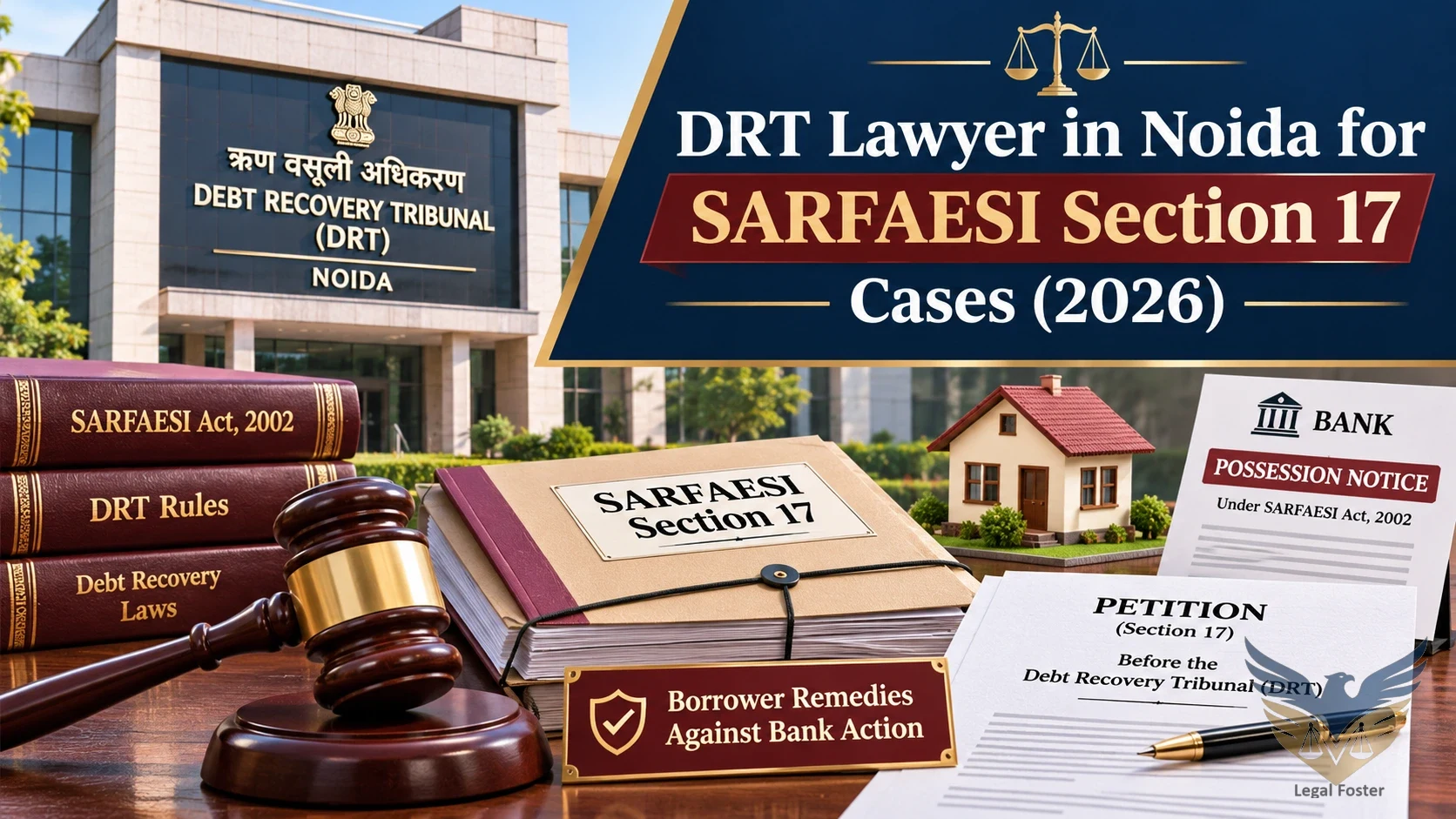
- Section 17 of SARFAESI Act, provides for remedy to a person aggrieved by any of the specified measures taken by a secured creditor under that Act before the DRT.
- Ordinarily, an appeal lies from orders of DRT to Debts Recovery Appellate Tribunal (DRAT), subject to the statute governing and conditions applicable for the same appeal.
- Limitation periods must be verified from the actual notice/order and proceeding. Non-compliance with limitation period would bar the remedy.
What Is a Business Loan Recovery Case in DRT?
A business loan recovery suit is litigation whereby a bank or any other financial institution entitled to initiate proceedings before the Debt Recovery Tribunal ("DRT") recovers an outstanding loan. The defendant debtor can defend the suit by scrutinizing the claim, challenging unsupported amounts, producing supporting documents and pleading such defences as are available to him.
A DRT case is not a criminal proceeding for non-repayment of a business loan. Merely being unable to repay a loan due to normal financial difficulties does not in itself constitute a criminal act. Allegations of fraud or other wrongful conduct must be determined on the facts.
Why might a bank file a DRT case?
The lender can initiate recovery proceedings from the date of default, as per the applicable law and the nature of the claim. The application may contain principal outstanding, contractual interest, other charges recoverable under the law, and security available to the lender.
For instance, a manufacturing business borrowed ₹75 lakh from the bank for the purchase of machinery in Noida. The company lost a big customer and missed several instalments. Later, the bank claimed much more money than owed, including interest and miscellaneous charges.
The business cannot believe that the entire claim is false because it’s high. At the same time, it should not accept each figure if they have not reviewed the account statements, payments credited, terms of contract, and supporting records.
A well-drafted response would focus on the real dispute and not make generic statements regarding the financial difficulty faced.
Which Laws Govern Business Loan Recovery Cases in DRT?
The primary legislation that applies to recovery applications made by banks and financial institutions before the DRT is the Recovery of Debts and Bankruptcy Act, 1993 (RDB Act). The Securitisation and Reconstruction of Financial Assets and Enforcement of Security Interest Act, 2002 (SARFAESI Act) will also apply to the extent that a lender exercises a qualifying security interest.
Recovery of Debts and Bankruptcy Act, 1993
Applications by banks and financial institutions for recovery of debts before the Tribunal, and filing of borrower’s written defence
Section 19 addresses applications by banks and financial institutions for recovery of debts before the Tribunal, as well as filing of borrower’s written defence, in accordance with the statutory procedure.
As mentioned above, the normal period for filing a written statement under Section 19(5) is 30 days from service of summons. That provision allows the Tribunal to extend the time in exceptional circumstances and for good cause shown in writing for a period not exceeding fifteen days in addition to the original period. Applicants should not expect this extension to be granted as of right.
SARFAESI Act, 2002
Applications where the loan is secured by a qualifying property or financial asset
The SARFAESI Act will apply to the extent that the lender takes action against a qualifying security interest.
Demand notice period and enforcement measures after default
Section 13(2) allows for a general 60 day demand period from the date of a qualifying demand notice. Specified enforcement measures upon default are addressed under Section 13(4), if all statutory conditions are satisfied.
Persons aggrieved by certain actions have recourse to the DRT
Under Section 17, a person who is aggrieved by a measure taken under Section 13(4) may, within 45 days of that measure being taken, apply to the DRT. The remedy available will depend on the specific action taken by the lender and the facts of the case.
Appeal against certain orders to Debts Recovery Appellate Tribunal
Appeal against eligible orders of the DRT may lie to the Debts Recovery Appellate Tribunal (“DRAT”) under the relevant statute. Prescribed pre-deposit amounts are generally applicable to appeals under Section 18 of the SARFAESI Act with powers to reduce the pre-deposit within prescribed limits. Appeals are subject to conditions depending on the order being appealed.
Who Needs a DRT Defence Lawyer for a Business Loan Case?
This article is for you if your bank or financial institution has already started recovery proceedings against you as a business borrower, company, partnership firm or personal guarantor of the loan.
You are a small business owner and have faced a shortage of cash to meet your obligation. The lender has now initiated recovery through the legal process.
You run a company or startup and dispute the outstanding amount, contractual fees or the lender’s understanding of the agreement.
You have taken a secured loan, and the bank has served a demand notice or initiated proceedings against your commercial property that is under mortgage.
You’re a personal guarantor and the lender has made a demand from the person that provided a guarantee for your company’s loan.
You’re a business that wants to settle but wants to know your options for a negotiated settlement and what’s happening with the recovery process.
A proprietor, shareholder, director and personal guarantor are not always equally liable. Liability varies based on the law that applies, how each party has signed on the agreement and the facts of the case.
How Can You Defend a Business Loan Recovery Case in DRT?
The defense has to start with what’s in the case record, instead of what you think the bank can or cannot do. Find out the precise claim, stage of the case, evidence upon which demand is made and what legal options remain for a borrower.
Start by reading the summons, application, notices and interim orders carefully. Note when it was served and when the next hearing is. If the bank has already obtained an order/recovery certificate, the response options may be different from what is available in a fresh case.
Check the principal amount, interest, penalty, fees & other charges claimed versus what is mentioned in sanction letter & loan agreement. Also see if repayments/credit/accounts agreed to be set off have been factored in.
Accounting errors do not automatically mean the entire claim is invalid. They can however be used to make a targeted defense on how much can be recovered.
Review sanction terms, facility agreement, guarantee document ( if any) and security papers. If real estate is mortgaged, identify the property & type of charge created on it.
Where there is a guarantor involved, review guarantee terms and lender’s claim against that person. Do not assume company/guarantor will have same legal standing.
The defense has to respond to the lender’s material allegations and say why particular facts/amounts are disputed. Supporting records should be collated so that legal arguments can be placed before the Tribunal.
Simply saying conditions of business were bad is not a complete defense on legal grounds. Financial difficulties are a negotiating point, but liability is determined by the contract and governing law.
If bank has initiated proceedings under SARFAESI Act, review the specific notice/enforcement action & relevant requirements under the statute. Where an application u/s 17 is possible, the 45 day limitation window should be noted.
Offering a settlement or OTS by the borrower is always an option where it makes commercial and legal sense. Whether it is accepted will depend on lender’s policy, authority and willingness to settle; no borrower is automatically entitled to force a certain settlement amount.
If settled, make sure the terms are clear on payment dates, how interest is treated, consequences of failing to pay the settlement, release of security if any, and procedures to discharge any pending proceedings.
BK Singh Advocate can guide you about Loan Settlement Lawyer assists whether the evidence helps with a defense, settlement negotiation or both.
Which Documents Should You Collect for a DRT Defence?
An orderly documentary history enables the borrower and attorney to see what is admitted, what is denied and what issues require legal attention.
- Have the borrower use this checklist to organize the file prior to the consultation.
- Loan sanction letter and facility agreement.
- Loan account statements from date of disbursement to date.
- Repayment receipts/bank statements/payments made.
- Demand notices/recall notices/communications with lenders.
- DRT application / summons/ annexures/previous orders if any.
- Personal/corporate guarantee documents, wherever applicable.
- Settlement/proposed restructuring requests and bank’s written responses.
- Business records that will explain transactions in dispute or reasons for default.
- Details of any related proceedings concerning the same debt or security asset.
Avoid cleaning up the records or removing unfavorable documents when putting the file together. The goal is to determine the true factual situation. If a document is missing, note the omission and counsel will advise how to proceed.
What Happens If You Ignore a DRT Recovery Case?
If you ignore the recovery case, issues will remain unresolved, and your ability to defend yourself in a timely manner will be lost. If appropriate for the stage of the proceeding, the Tribunal may continue ex parte (in your absence) as far as the law allows, make an adverse order against you, or issue a recovery certificate.
The recovery certificate allows further action to be taken by the Recovery Officer under the relevant Act. The lender may attempt to recover the amount from any assets you have or take enforcement action against the secured asset under the law and directions.
Your business may also be affected. You cannot borrow against a factory, office, warehouse, or commercial shop subject to a dispute. Personal guarantors can also be affected financially if found liable.
The amount you owe will not go away if you ignore the case. File an objection with the Tribunal if the claim against you is inaccurate. You may want to consider offering a realistic settlement in addition to responding if the debt is largely valid but you cannot afford to pay.
When Should You Consult a DRT Lawyer?
Legal consultation should be taken up at the earliest when a legal notice for recovery or demand/payment is received from the DRT or SARFAESI enforcement notice is received. However, if you receive notice only when the auction is announced or after the passing of final order, your options may be limited in practice though theoretically same remedies could still be available.
It would be helpful to consult when:
- The bank's computations don't match up with account statements.
- Proceedings have been initiated against a company director or personal guarantor.
- The secured asset is commercial property or some other asset.
- Any written reply/statutory application needs to be filed within a specified period.
- You have received an offer from the bank for settlement and want to know its legal implication.
- If recovery certificate/adverse order has already been passed.
If a borrower wants to consult a Business Loan Settlement Lawyer they should clearly state their grievances from monetary aspect as well as procedural history. BK Singh who is linked to Loan Settlement Lawyer will see if he can advise on documents, after establishing his availability and terms of engagement.
Expert legal advice will help you understand what remedies are practical and viable instead of making you believe that every recovery notice can be halted or every loan amount can be written off.
How Can a Loan Settlement Lawyer Help With a DRT Case?
Legal help should tailor the answer to the facts. Business loan recovery might involve a defence to the claim amount, analysis of securities, appearing in the correct forum, or a well-supported settlement offer.
You can reach out to Loan Settlement Lawyer on their official website to ask any questions regarding their services. Ensure you understand the scope of work, fees, who the Advocate on record will be and what documents they will need to review before agreeing to hire a lawyer.
Advocate BK Singh can help you understand your loan recovery claim, identify potential issues with your loan paperwork, understand timelines under the procedures that apply, and analyze whether it makes commercial sense to send a settlement offer. Ensure you get confirmation of who will represent/filings/appear on your behalf as part of the attorney engagement.
Loan borrowers in Delhi NCR (including Noida, Ghaziabad, Gurugram, Faridabad) will require an analysis of the proper forum and territorial jurisdiction based on their documents. Borrowers located in other cities of India can also ask what forum would apply in their case.
We strive for the best outcome, which is a well-reasoned judgment. That does not mean we guarantee a specific result. Any defense should be fact-driven. Any settlement should be evaluated based on the total liability, ability to pay, exposure of securities, and should be confirmed in writing.
Frequently Asked Questions
1. Can I defend against business loan recovery in DRT?
Yes. The borrower can file a defence and raise any objections that are available to him under law and supported by the facts and documents.The best response will vary depending on the circumstances. Factors to consider include the nature of the recovery claim, the loan documents, the stage of the proceeding, and any related enforcement against security.
2. Can DRT reduce bank recovery amounts?
The Tribunal will make a determination of what amount is recoverable from the borrower in accordance with law and the evidence brought before it.If the borrower can prove that payments were not properly credited or that specific charges are not in fact recoverable, those issues can be raised. However, there is no automatic reduction.
3. Can I settle my business loan if case is pending in DRT?
Yes. Settlement is possible even with pending proceedings, depending on the particular lender and any conditions to which the parties agree.The parties should make sure the written terms clearly state the effect on any remaining debt and the pending proceeding.
4. Will DRT get stay if I send request for settlement?
No, not automatically. Merely sending a proposal or discussing possible settlement does not stay (postpone) a proceeding or stop enforcement against secured assets.The borrower should consider whether the parties are required to be bound by any agreement they reach or whether an order from the Tribunal is required to vacate (cancel) the pending action.
5. Can bank attach my commercial property for business loan?
Provided there is a valid and enforceable security interest against the property, the lender may be able to take enforcement action against the property under applicable law.The lender must comply with all applicable statutes and procedures in doing so. The rights and remedies available to a borrower will depend on the loan documents and the facts specific to the security granted.
6. Can Business Loan recovery be from personal guarantor?
Yes. A lender can pursue a guarantor for a business loan to the extent the lender is allowed by the guarantee and under applicable law.The specific liability of the guarantor will depend on, among other things, the terms of the guarantee and the facts surrounding the lender’s claim. A guarantor should get advice specific to the actual guarantee signed.
7. What is the limitation to file a defence against business loan recovery in DRT?
With respect to an application filed by the bank under Section 19 of the RDB Act to recover a loan made to a business, the time limit to file a written statement defensively is typically 30 days from service of summons.Only a shorter extension is available under the statute and in very limited circumstances. Each application and appeal in the process has its own limitations period.
8. Can I file a petition against bank action under SARFAESI Act?
If you are an Eligible borrower or other person aggrieved by certain actions taken by the bank, you can file an application to the Tribunal under Section 17 of the RDB Act. You may file this application in respect of certain actions taken under Section 13(4) of the SARFAESI Act. The time limit to file this application is generally 45 days from the date of action taken.Please note that this is a remedy that does not apply to every stage of action that a bank may take.
9. Should I hire a lawyer for DRT business loan matter?
Lawyers are not required to represent parties in every situation. However, competent legal assistance is advisable where the amount in claim justifies the expense, the loan documents include complex provisions, property is at risk, or a limitation period is running.The extent of assistance you will need will depend on the facts of your specific situation.
10. Does Loan Settlement Lawyer guarantee quick results from DRT?
No lawyer can ethically guarantee any specific outcome from a court proceeding or a lender. Advocate BK Singh and other lawyers will need to review your documents, explain your options, and advise you based on the facts and law.
Final Thoughts
It can be scary to receive a business loan default notice. Especially if the bank has already initiated a tribunal case against you or threatened seizure of your commercial property. But before you pay the thing off or send an unsupported letter of dissent or hope settlement discussion will solve the issue. Please review your case first.
LoanSabkaKhaas has years of experience fighting business loan recovery cases at DRT. We know when and how to respond, when to review facts & evidence, what legal remedies you have at your disposal and when it’s wise to settle versus when to fight. The best course of action will vary from borrower to borrower.
Did the DRT issue you a summons? Or maybe you received a loan recovery demand letter/notification on your secured property. Sit down with your documents and consult an attorney before the next deadline passes. Call Loan Settlement Lawyer & Advocate BK Singh today to discuss case review and how we can help.