ECS Bounce in Bike Loans: What Borrowers Facing Financial Hardship Should Know
A bike loan EMI looks fine when you take the loan. But when you lose a job abruptly, when your salary gets postponed, when you have unexpected medical expenses, when sales are low or because of any other financial emergency. You make sure that you have enough balance in your account to take care of your family needs. The ECS mandate reaches your account and the amount is debited. Except this time, you don’t have enough balance.
One ECS bounce isn’t very serious. But what if the ECS bounces over and over again. That can lead to serious consequences.
The lender will add on defaults such as bounce amount, delay fees or any other charges as mentioned in your loan agreement. Moreover, missed payments can also render your loan account past due. Recovery agents will also start calling you. You will start worrying about your credit score, your bike getting repossessed, recovery notices and lawsuits related to the ECS mandate.
Although an ECS bounce does not necessarily mean that the lender is going to press criminal charges against you or recover your vehicle the very next day. It depends on your loan agreement terms, mandate for payment terms, reason for dishonour, amount due, number of notices sent and actions taken by the lender.
Why Does a Bike Loan ECS Bounce Matter in India in 2026?
If you live in Delhi/NCR or Mumbai or Pune or Bengaluru or Hyderabad or Chennai or really any city in India where you need a bike or scooter to get to work and run errands daily, missing out on repayment of your two-wheeler loan can put you in both financial and practical stress.
A single ECS/electronic debit failure is marked as a default on an instalment. After that, depending on your loan terms and conditions and the bank’s discretion you may be charged additional fees and start getting recovery calls/letters.
More importantly, however, there’s also a section in Indian law that addresses ECS bounce specifically. Under Section 25 of Payment and Settlement Systems Act, 2007, “any person who authorises an electronic fund transfer to be made from his account to another person and such transfer is not honoured by the bank concerned,” for reasons such as “insufficient funds in that account or… where the amount instructed to be paid exceeds the amount arranged to be paid by that person with the bank,” etc., can be prosecuted.
That said, this doesn’t mean that every ECS bounce on your vehicle loan will get you arrested and jailed.
The borrower under stress needs to know when the situation goes from missing a payment and being marked as a default, to your lender starting recovery processes as per the agreement, to receiving a legal notice under this section and needing to contact an attorney. Loan Settlement Lawyers can help you with this.
Quick Facts
- ECS bounce means your authorised electronic debit transaction has failed.
- A bounce does not erase your liability towards bike loan.
- Multiple ECS bounces on EMIs might lead to increased dues as mentioned in the contract. Faster recovery process.
- Susceptible to legal action under Section 25 of Payment and Settlement Systems Act, 2007 in case of eligible ECS fails.
- Penalty under Section 25 would be applicable only if you fail to receive payment amounts (because ECS was returned/bounced) and the payee gives you a written demand to pay the same.
- Collection agents can't force you into paying your dues through intimidatory tactics or unfair recovery methods just because you missed an EMI.
- As per RBI norms on recovery agents, collection agents are not allowed to follow such practices.
- Flexibility in rescheduling or any loan repayment scheme is at the lender's discretion and would be offered based on your eligibility.
What Does an ECS Bounce in a Bike Loan Actually Mean?
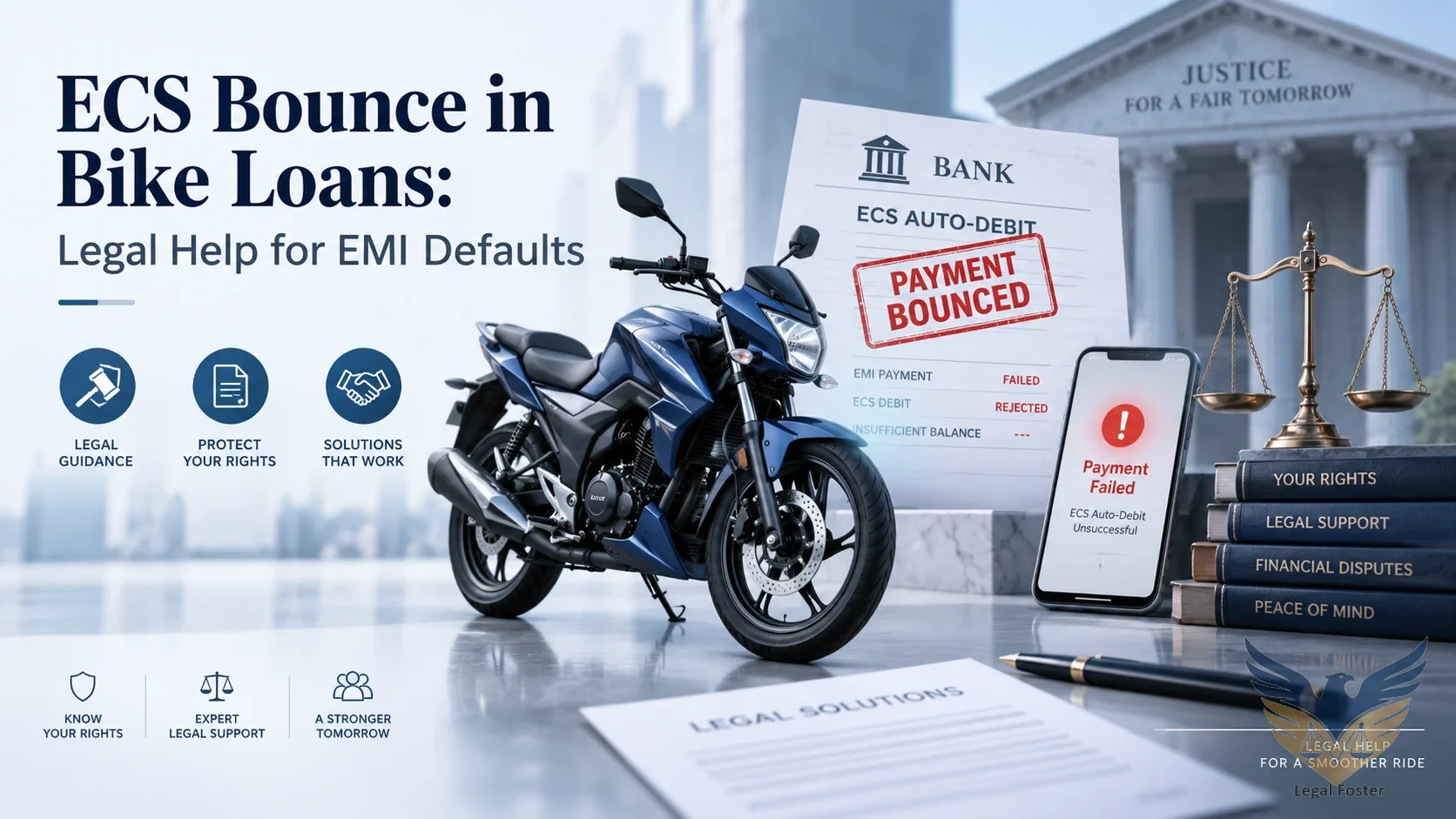
An ECS bounce occurs when an electronic debit that has been authorized for payment towards your loan does not complete successfully. Often, this is because there are insufficient funds in the account. Make sure to verify what the actual return reason is though, either on your bank statement or what your lender tells you.
An ECS bounce can become a cycle for borrowers who are facing financial hardship. Maybe your paycheck was late that month and you were left with two EMIs to deducted against that month. Perhaps you had an emergency medical bill to take care of and didn’t have money left over for the EMI. Maybe you have multiple loans servicing out of the same account.
There can be several ECS bounces for failed debits.
Instead of focusing on the one ECS bounce, a Loan Settlement Attorney will usually assess your payment history. They want to see if this was a one time hiccup or part of a larger trend of your loan payments becoming unaffordable.
Can an ECS Bounce Create a Legal Case?
May be… but not always.
While Section 25 of Payment and Settlement Systems Act, 2007 does talk about penalties/restrictions in case of dishonour of an electronic funds transfer towards payment of an enforceable debt or other legally enforceable liability either due to insufficiency of funds in the account or the sum credited is higher than the amount agreed to be arranged for, the said section has several qualifications and conditions to it.
Take for example the fact that the beneficiary has to issue a written demand notice within the specified time under Section 25 for such dishonour and liability under this section arises only upon failure to make payment of the amount demanded within the period specified in the notice of demand after receipt of said notice. As it stands today, the Act allows 30 days to issue notice of demand after the information of dishonour is available and 15 days to make payment after notice of demand is received.
The Act further states that the provisions of Chapter XVII of NI Act shall apply for such dishonour where the circumstances so admit.
That is why ECS/ Electronic mandate dishonour notice cannot be treated like a usual collection communication.
Loan Settlement Lawyer will review the notice, loan contract, mandate and bank statements to figure out the true nature of communication received by borrower.
Does Financial Hardship Cancel the Bike Loan EMI?
No. Financial hardship might be the reason why payments were not made, but it does not remove the obligation on its own.
Job loss, illness, reduction in business profits or family emergencies are important facts when explaining the borrower’s predicament to the lender. They may also be significant when negotiating for a restructuring, repayment reductions or loan settlement.
The borrower should not expect that because they have called a collector and explained that they are experiencing financial hardship that the terms of the loan have changed.
If the lender does not agree to restructure the loan, the original terms of repayment will most likely still stand.
If you are unsure of how much you can afford, Loan Settlement Lawyer can review your balance, history of payments and any discussion with the lender prior to you agreeing to any deal.
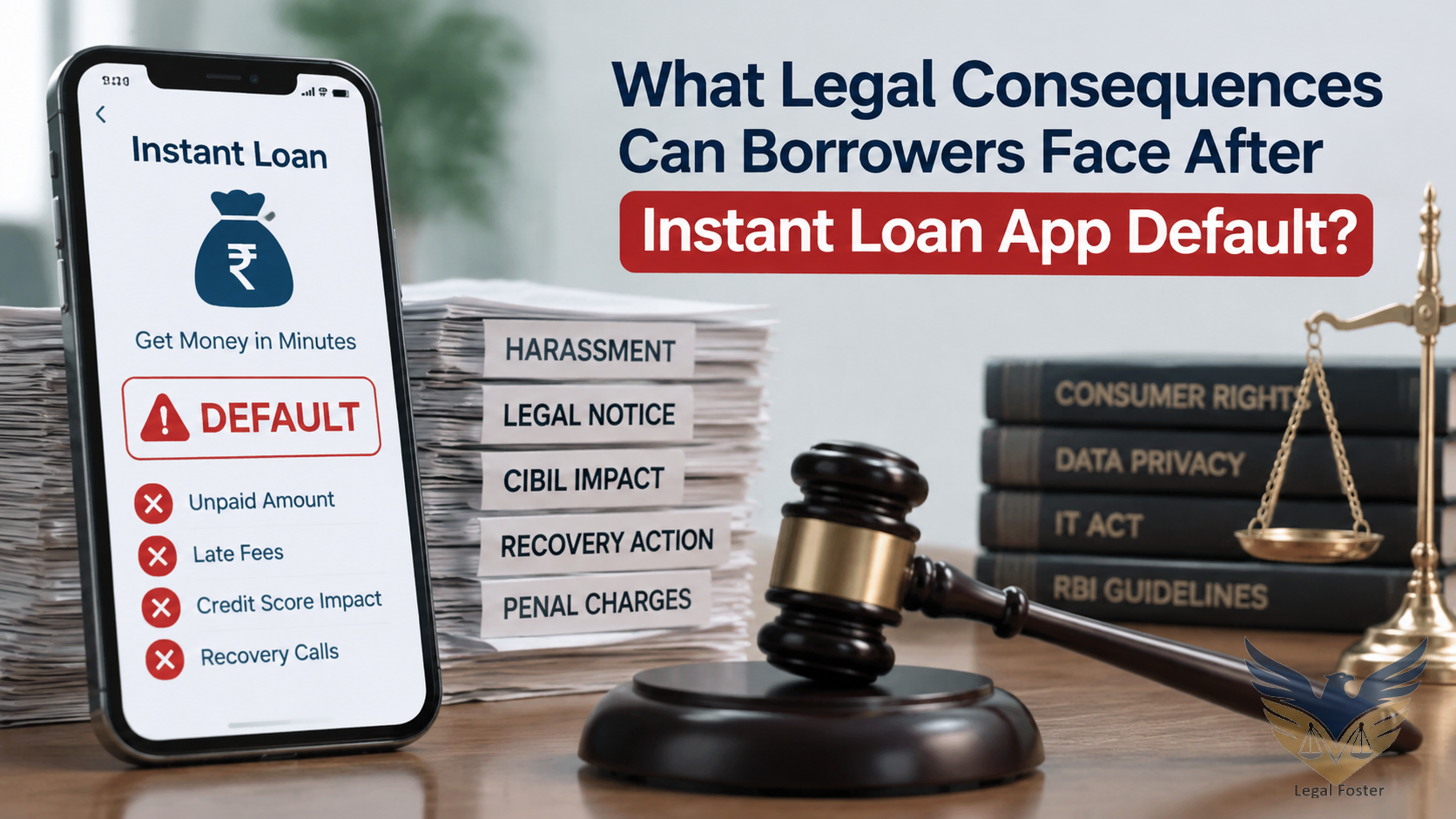
What Happens After Repeated Bike Loan EMI Defaults?
Persistent EMI defaults could also change the dynamics of the battleground.
You could receive automated calls/messages initially. Subsequent calls could be about the overdue amount/facility recall/recovery proceedings/the financed two wheeler or legal action etc. based on the terms agreed and facts.
As most two wheeler finance is secured against the financed asset, the two wheeler itself is involved. The rights of the lender and the process of two wheeler repossession would be dictated by the contract and legal/regulatory frameworks.
Not answering calls won’t make your dues disappear. However, the lender or its agent also can’t harass or insult you at will.
Can Recovery Agents Harass a Borrower After an ECS Bounce?
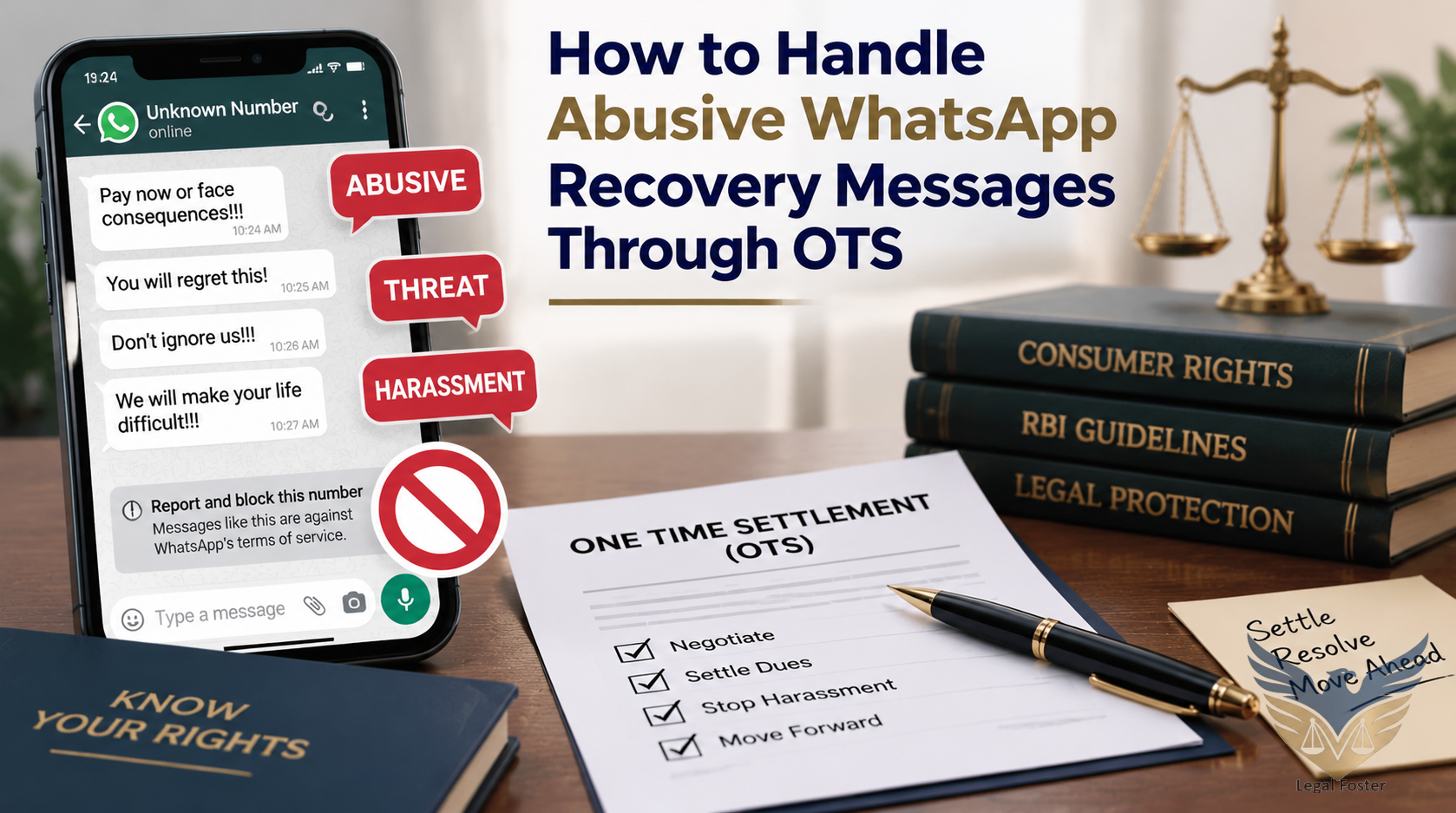
No. Asking someone to repay a loan does not give you license to harass them.
In fact RBI clearly states that regulated entities or their agents can’t “verbally abuse or physically threaten or harass” borrowers publicly, contact family members and friends, make threatening calls or anonymous calls or “resort to unfair practices including the use of false and misleading representations”. Frequent calls or calling before 8: 00 a. m. and after 7:00 p. m. is also prohibited as per RBI’22 guidelines on collection agents.
The fact that someone borrowed money and has to repay it does not nullify RBI’ fair practices code.
A borrower's obligation to repay a loan and fair practices for recovery are two separate issues.
Someone who owes you money is still entitled to be treated with decency.
What Documents Should a Bike Loan Borrower Keep?
If you are a borrower and your ECSs have been failing consistently, never engage in phone discussions. Maintain a paper trail. Helpful documents include:
- Loan Documentation & Sanction Letter
- EMI amortization schedule
- ECS/NACH/electronic mandate details
- Bank statement showing returned debits
- ECS returned SMS/email alerts
- Loan account statement
- EMI receipts (where applicable)
- Demand notices/collection letters from creditors
- SMS from recovery-agents, call detail records (if applicable)
An attorney can review these and pinpoint whether you have a problem of only back-payments, disputed charges, a statutory notice period or harassment from the recovery department, or just unable to pay at all.
Can Bike Loan Borrowers Request Restructuring or Settlement?
You can ask for a settlement. However, it is not always granted as a right.
Loan settlement mostly means a change in the repayment terms. Settling means coming to an amount that will satisfy the current debt and under terms that the lender is agreeable to. Both can affect your finances and credit differently.
If someone tells you "your loan will definitely settle for 30 percent" or makes any sort of promise that you will certainly receive a reduction of x%... sprint in the opposite direction. NO legitimate lawyer can promise you they can force a particular lender to settle for a particular amount.
Loan Settlement Lawyers can help you understand the difference between what you can actually afford and what is just a empty promise.
Oh and by the way, a settlement is NOT the same thing as just stopping your EMI payments. The account won't show as paid until you have an agreed upon written contract.
When Should You Consult a Lawyer About a Bike Loan ECS Bounce?
Legal Intervention need not necessarily take place when ECS has failed once. But when several EMIs have failed; when legal notice/ demand notice has been served or when the bank has lodged a complaint about the ECS mandate dishonour for payment through electronic clearing, or when you are being harassed by the recovery agents or when borrower has become unfit to cure his account by way of monthly installments.
You may have to take Legal advice when there are penal charges being contested by borrower which have now piled up to a huge amount or when the recovery agents are speaking out of line/terminologies which are not mentioned in the RBI guidelines for recovery of loans. The earlier borrower seeks Legal advice, the better he knows his predicament. Loan Settlement Lawyers can assist you in finding out whether you have issues with technical default of loan agreement, dishonour of ECS mandate for payment, penal amount being charged or harassment by the recovery agents or if you are facing foreclosure or can settle your loan.
How Loan Settlement Lawyer Can Help
Loan Settlement Lawyer deals with legal concerns around failing to pay an EMI, being unable to repay a loan, getting notices from the lender or facing other issues with loan recovery.
Instead of treating every bike EMI default as the same scenario, Loan Settlement Lawyer will look into the history of payments made, ECS return slip information, notices issued by bank and your ability to repay today.
BK Singh and Loan Settlement Lawyer can negotiate with banks, discuss settlement/restructuring possibilities, review legal notices and help you with matters regarding borrower rights as needed.
Employing Loan Settlement lawyer does not mean your liability for the loan will go away, or the lender will accept a settlement amount. It will depend upon the loan agreement you signed, total amount owed, history of payments made, bank policies and the specifics of your situation.
If you reside in Delhi NCR, Ghaziabad, Noida, Greater Noida, Gurugram, Faridabad or anywhere in India and are struggling with a bike loan default that has proceeded past one missed EMI, feel free to contact us to speak about your case.
Frequently Asked Questions
1. Is ECS bounce the same as defaulting a bike loan EMI?
Essentially, ECS bounce means the automatic debit of the due EMI from your account has failed. Depending on their policy, lenders may treat the instalment as overdue and levy bounce charges or late-payment fees.
2. Can’t anyone file a lawsuit for ECS bounce once?
No, not really. Whether or not to file a legal suit is a decision that depends on multiple factors and cannot be determined simply by one ECS bounce. Possible legal scenarios depend on reason for dishonour, mandate payment terms, outstanding liability, notices issued, facts of loan account amongst other things.
3. Can I say financial hardship for defaulting bike loan EMI?
Yes. There can be many genuine reasons for financial hardship. Joblessness, delayed salary, hospitalisation costs, business loss or sudden medical events in the family are valid reasons. However, financial hardship does not nullify your loan liability.
4. Can bank grab my bike due to ECS bounced?
Your bike cannot be taken away if the ECS number gets debited once. The lender rights and remedies available for ECS bounce depends on loan agreement terms, extent of default and failure, contractual provisions governing recovery and statutory recovery process.
5. Can bike loan recovery agent threaten me?
If you owe genuine dues, recovery agents cannot legally threaten, bully, shame or harass you. If you have been a victim of recovery agent abuse then save their text messages, voice notes, record call logs and anything that can help you prove their illegal behaviour.
6. Can I settle my bike loan if I missed few EMIs?
Yes. You can initiate settlement once you realise that you will not be able to make further payments. But the lender may or not settle the account depending on the outstanding amount, your payment history, facts of account and their willingness.
7. Is ECS bounce considered as not paying an EMI?
Failure to pay EMI means you haven’t paid the loan’s EMI. ECS bounce refers specifically to when the ECS mandate sent back by the bank because ECS was supposed to debit EMI from borrowers’ bank account.
8. Should I ignore ECS bounce notice from bank lawyer?
You should not ignore bounce notices as legal terms used in official notice are different than informal texts or emails sent by the bank or its agents. Also whether such notice has any legal standing depends on the notice’s wording, facts of the transaction and law.
9. How many ECS bounces needed for lawyers notice?
There is no specific number on how many bounces you need to start worrying. Maintain a record of loan agreement, repayment schedule, your bank account statements, ECS/NACH mandate copy, loan statements provided by bank showing amount due and received payments, all bank notices, cash payment acknowledgements if any, any evidence of fund transfers, recovery calls or messages.
10. How much do lawyers charge to settle bike loan?
Loan Settlement Lawyers charge a fee that is contingent on your case. When you contact Loan Settlement Lawyer you can discuss your document history, factual background of your case and they will advise you on the fee and the loan settlement process.
Final Thoughts
ECS bounce because of a short term liquidity crisis can snowball into larger bike loan problem if there are several defaults piled up with dues and legal notices getting ignored. Borrowers must answer three questions – how much is legitimately owed, what notice have you received legally and how much can you actually repay. A Loan Settlement Attorney can assist borrowers with multiple bike-loan EMI defaults, ECS bounce back problems, recovery harassment and settlement negotiations. Every case is unique, so make sure to have all your documents and communication with the lender assessed prior to taking any important action.